Recognizing the Symptoms of Grief and When to Seek Support
Grief is far more than just deep emotional sadness; it is a full-body experience. When we process the death of a loved one, our mind, body, and spirit all react simultaneously. Many people seeking grief and loss therapy PA services are surprised to learn that their physical ailments are directly tied to their emotional heartbreak.
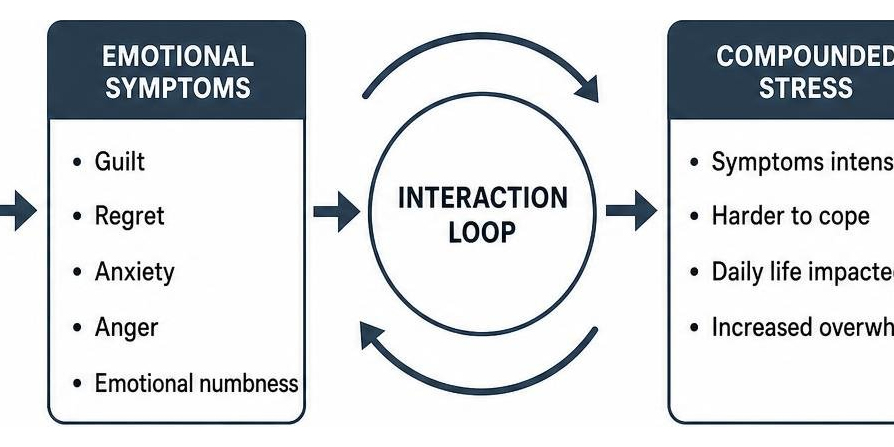
Physical symptoms often present as severe stomach distress, a tight or painful feeling in the chest, persistent physical fatigue, or significant shifts in sleep patterns. Emotionally, loss can cause deep guilt, regret over unspoken words, intense anxiety, unexpected anger, or profound emotional numbness.
It is also very common to feel a sense of relief—especially following a loved one’s long, agonizing struggle with a painful illness. Feeling relief does not mean you loved them any less; it simply acknowledges that their pain, and your caregiving strain, has ended. Navigating these conflicting feelings is a core part of learning strategies for Coping with Loss and Grief.
When symptoms cause prolonged dysfunction, social isolation, or continuous despair, seeking professional care is essential.
Supporting a Grieving Loved One in Pennsylvania
If someone you care about is walking through bereavement, showing up for them requires empathy, patience, and realistic expectations.
- Practice active listening: Let them express painful feelings without jumping in to offer quick solutions or unsolicited advice.
- Offer practical assistance: Instead of saying “let me know if you need anything,” bring over a cooked meal, help with grocery shopping, or take care of routine household chores.
- Avoid hollow clichés: Refrain from well-meaning statements like “they are in a better place” or “everything happens for a reason,” which can minimize their intense emotional pain.
- Respect their individual timeline: Grief is completely non-linear. Do not expect them to move through set stages or “get over” their loss on a artificial timetable.
Understanding Your Support Options for Grief and Loss Therapy PA
Pennsylvania offers a wide range of care options designed to support individuals at every stage of the bereavement journey. Understanding the differences between available services can help you choose the right path for your needs.
| Support Type | Primary Focus | Best For | Accessibility & Cost |
|---|---|---|---|
| Peer Support Groups | Shared peer experiences & structured discussions | Normalizing grief, reducing isolation | Low cost ($0–$25 for workbooks); hosted locally or online |
| Emergency Hotlines | Immediate crisis intervention & emotional stabilization | Urgent emotional distress or late-night crisis | Free, 24/7 confidential phone or text access statewide |
| Individual Grief Therapy | Personalized clinical treatment & deep trauma work | Complex loss, severe anxiety, lingering guilt, personal trauma | Covered by insurance or private pay; available in-person/telehealth |
Professional Grief and Loss Therapy PA vs. Peer Support Groups
While peer support groups offer deep community connections and help normalize unpredictable emotional responses, they operate differently than individual psychotherapy. Group support brings people together to share stories and complete structured workbooks, which builds solidarity.
In contrast, professional therapy provides personalized clinical support. A licensed mental health counselor evaluates your unique history, addresses unresolved trauma or dynamic tensions, and tailors evidence-based interventions specifically for you. Many individuals benefit from combining peer support with specialized Grief and Loss Counseling Services.
Free Pennsylvania Grief Hotlines and Crisis Resources
If you are experiencing acute emotional distress or need immediate, free support, Pennsylvania hosts 7 dedicated free helplines and warm lines:
- Montgomery County Mobile Crisis Support: Available 24/7 for children and adults at 1-855-634-HOPE (4673).
- Children’s Crisis Treatment Center: Accessible at 610-275-2020 for youth and family stabilization.
- Statewide Peer Warm Lines: Local warm lines, such as the Grapevine Center Warm Line, CONTACT Altoona, or the Teen Talk Line, offer confidential phone chats with trained peers who listen compassionately without judgment.
Montgomery County Bereavement Support Services
For those residing in Montgomery County, PA, dedicated public infrastructure exists to support families immediately following a severe loss. The Montgomery County Coroner’s Office provides a dedicated Forensic Bereavement Coordinator. This professional reaches out to grieving families, providing initial emotional support, crisis stabilization, and long-term referrals to local community care options.
GriefShare Support Groups: Eligibility, Cost, and Structure
GriefShare is a widely recognized 13-week peer support program that has helped over 1 million participants find comfort after loss over the last 25 years.
- Group Structure: Weekly 90-minute meetings include a 30-minute expert-led video module, structured group discussion, and personal workbook reflection exercises.
- Topics Covered: Managing challenges such as extreme loneliness, anger, regret, shifting personal relationships, and rediscovering hope.
- Eligibility & Cost: GriefShare groups are open to anyone mourning the death of a spouse, child, parent, family member, or friend. The program is held at various community host locations; attendance is free, with participant workbooks costing between $0 and $25.
Evidence-Based Approaches Used in Professional Grief Counseling

When you choose formal counseling, licensed mental health professionals utilize structured, clinical frameworks to help you process your grief without forcing you to let go of the love you still hold.
Working with professional counselors offers a safe environment to explore complicated emotions. Learn more about our approach to dedicated Grief Counseling and specialized Grief & Loss Counseling in Philadelphia.
Cognitive Behavioral Therapy (CBT) and Acceptance and Commitment Therapy (ACT)
Cognitive Behavioral Therapy (CBT) helps you identify and reframe intrusive negative thoughts, catastrophic thinking, and excessive guilt surrounding a death. It gives you practical coping tools to manage panic, insomnia, and behavioral avoidance.
Acceptance and Commitment Therapy (ACT) encourages you to sit with difficult, uncomfortable emotions rather than fighting them. ACT helps you align your actions with your core personal values, empowering you to carry your grief gracefully while taking meaningful steps forward.
Psychodynamic Therapy and Internal Family Systems (IFS)
- Psychodynamic Therapy: Focuses on exploring past relational dynamics, attachment patterns, and unresolved “unfinished business” with the person who died, helping you find peace with complicated relationships.
- Internal Family Systems (IFS): Works with conflicting internal “parts” of yourself. For example, IFS helps balance the internal part of you that feels deep guilt for smiling again with the part that naturally desires emotional relief and joy.
How to Find the Right Grief Therapist in Pennsylvania
Finding an effective counselor requires choosing someone with whom you feel genuinely understood, secure, and respected. Take time to evaluate a provider’s credentials, clinical focus areas, and treatment modalities. Reviewing information on Licensed Mental Health Support in Pennsylvania can help guide your search.
Local Practice History and Clinical Experience at WPA Counseling
With years of dedicated clinical experience serving Western Pennsylvania, WPA Counseling has established a deep local practice history rooted in evidence-based care and community-focused mental health support. Our team of highly trained, licensed mental health clinicians specializes in bereavement, emotional stabilization, and trauma-informed counseling. Having served hundreds of individuals and families throughout Westmoreland County, Allegheny County, and across the Commonwealth, our practice brings extensive experience in helping clients navigate complex grief and emotional recovery through safe, counseling-based strategies.
Accessing Telehealth and In-Person Grief and Loss Therapy PA
For residents seeking local, face-to-face care, we offer welcoming offices in Western Pennsylvania, including our main locations in Irwin / North Huntingdon and Penn Hills. These offices serve individuals across Westmoreland County and the greater Pittsburgh region. If you live anywhere else in the state, secure telehealth therapy brings compassionate clinical care straight to your home.
Explore localized resources through our page on Grief Counseling in Pittsburgh.
WPA Counseling’s Expert Care and the Four-Stage Counseling Blueprint
At WPA Counseling, our team of licensed Pennsylvania counselors guides individuals through a transformative, four-stage healing approach called the Counseling Blueprint:
- Take Off the Mask: Building authentic trust and safety so you can drop quiet pretenses and express how much you are actually hurting.
- Heal the Wounds: Carefully exploring deep emotional pain, attachment wounds, and trauma associated with your loss through evidence-based counseling strategies.
- Remove the Toxins: Identifying and clearing harmful unhelpful beliefs, persistent irrational guilt, and destructive self-blame.
- Replace with Truth: Establishing empowering perspectives about yourself, your relationship with your loved one, and your path forward.
We also offer faith-sensitive counseling options for clients who wish to integrate their personal faith and spiritual principles into their emotional recovery.
Frequently Asked Questions About Grief and Loss Support in PA
How much do GriefShare support groups cost and who is eligible?
GriefShare groups are open to anyone grieving the loss of a loved one. The 13-week program is hosted by community organizations and churches; attendance is typically free, though a small materials fee ($0 to $25) may apply for the workbook.
What is the main difference between grief counseling and grief hotlines?
Grief hotlines provide immediate, short-term crisis intervention, emotional listening, and safety planning. Individual grief counseling offers ongoing clinical treatment with a licensed professional to process long-term emotional pain, attachment wounds, and complex trauma.
Where can Montgomery County residents find immediate grief assistance?
Residents can contact the Montgomery County Mobile Crisis Support team 24/7 at 1-855-634-HOPE (4673), call the Children’s Crisis Treatment Center at 610-275-2020, or reach out to the Montgomery County Coroner’s Office to speak with their Forensic Bereavement Coordinator.
Conclusion
Healing from profound loss does not mean forgetting your loved one or pretending the pain never existed. Real healing means learning how to carry your grief gracefully alongside hope, peace, and new purpose.
Whether you need immediate crisis support, the community of a local peer group, or individualized care through grief and loss therapy PA services, compassionate help is available. Take a step toward emotional recovery by learning about Understanding healthy attachment after loss.
When you are ready to speak with a licensed professional who understands your journey, reach out to us at WPA Counseling. We will thoughtfully match you with a compassionate counselor for in-person therapy in Western Pennsylvania or secure online telehealth statewide. You do not have to carry this loss alone.
This article was researched with AI and heavily edited by Stephen Luther for accuracy and relevance.
Stephen Luther is the Executive Director and Founder of WPA Counseling. He holds a Master’s degree in Education from the University of Georgia and a Master’s degree in Marriage and Family Therapy from Duquesne University. He is a licensed professional counselor in Pennsylvania (LPC).
Since 1997, Steve has been helping children, adolescents, adults, couples, and families overcome emotional and relational challenges. He specializes in working with hurting families, including those with foster, adopted, or traumatized children. Steve uses Attachment-Based Therapy, client-centered therapy, and Therapeutic Parent Coaching to support healing and relationship restoration.
This guide is for educational and spiritual encouragement and is not a substitute for personalized professional counseling. If you are in crisis, please reach out for immediate help.