Why Does This Relationship Hurt So Much If I Still Feel Attached?
Have you ever stayed in a relationship that constantly hurt you but still felt impossible to leave?
That pull between pain and affection can feel like love, but it might actually be something far more complex. What you could be experiencing is trauma bonding, a psychological tie that forms through repeated cycles of affection and harm.
Understanding how trauma bonding differs from healthy attachment can help you recognize when love has turned into emotional survival and how to find your way back to safety.
How Do My Early Attachment Experiences Shape My Adult Relationships?
Human connection begins the moment we are born. The way our caregivers respond to us, whether with warmth and consistency or neglect and unpredictability, creates emotional templates that follow us into adulthood. These early experiences form the basis of what psychologists call attachment styles, a concept first developed by John Bowlby and expanded by Mary Ainsworth.
When caregivers are reliable, we grow up believing relationships are safe. That’s called secure attachment.
From the very start, a baby relies on physical cues, like crying, to signal their needs. There is an innate trust that caregivers will respond, offering comfort, food, or safety. When that trust is met with steady, nurturing responses, secure attachment flourishes. It sounds simple, but in reality, maintaining this unbroken trust involves a delicate dance of attentiveness and consistency.
If you are a parent striving to foster secure attachment, it helps to be mindful of several key conditions: responding promptly to your child’s needs, offering emotional warmth, being consistent in your reactions, providing a safe environment, and encouraging exploration. These elements set the stage for a secure emotional foundation, allowing children to step into the world with confidence.
But if care is inconsistent or rejecting, we may develop anxious or avoidant patterns that shape how we handle love, conflict, and vulnerability later in life.
Understanding these patterns is an essential part of therapy, especially for anyone working through unresolved trauma or relational pain.
If this idea feels familiar, you might explore how early wounds shape adult relationships in Understanding Childhood Trauma: A Guide for Healing and Growth.
What Makes a Trauma Bond Different From Healthy Love?
While healthy attachment helps us feel grounded, trauma bonding thrives on chaos and fear. It is an emotional dependency that forms between a victim and an abuser, built on cycles of affection and manipulation.
These relationships often begin intensely full of attention and praise but slowly evolve into unpredictable waves of affection followed by criticism, withdrawal, or even abuse.
The confusing push and pull makes the victim feel addicted to the relationship. The brain learns to associate relief after pain with love, creating an emotional loop that’s incredibly difficult to escape.
This pattern is common in relationships marked by emotional abuse, which you can read more about in Relationship Trauma and Emotional Abuse.
How Do I Know If I’m Stuck in a Trauma Bond?
-
You make excuses for someone’s hurtful behavior because you remember how kind they can be.
-
You feel responsible for their moods and walk on eggshells to avoid conflict.
-
You crave their validation even when they belittle or manipulate you.
-
You feel anxious when apart and relieved when they show affection again.
-
You keep hoping that things will “go back to how they were in the beginning.”
People caught in trauma bonds often confuse intensity for intimacy. The emotional highs and lows can feel like passion, but what is really happening is a cycle of dependency and fear.
If you recognize these patterns, you’re not weak; you are reacting the way your nervous system learned to survive. This is something therapists explore in depth during trauma-focused sessions such as Healing from Trauma: Proven Steps for Emotional Recovery
What Does Healthy Attachment Look and Feel Like in a Relationship?
Healthy attachment, in contrast, feels calm and safe even when life gets hard.
It’s not about constant excitement or emotional intensity but about consistency, communication, and respect. In these relationships, both partners feel free to be themselves while still feeling deeply connected.
In a healthy bond:
-
You feel emotionally safe to express feelings and needs.
-
Boundaries are respected, not punished.
-
Conflict leads to problem-solving, not punishment or silent treatment.
-
You feel seen, valued, and secure, not anxious or guilty.
-
Love feels steady, not addictive.
How Can I Tell If I Have a Secure Attachment Style as an Adult?
Healthy attachment is not just about what happens between two people; it is also about how you feel within yourself and how you view others. If you are wondering what secure attachment looks like in real life, here are some core clues:
- You have a positive view of yourself. You don’t need constant reassurance to know youare worthy of love. You are comfortable both on your own and in a relationship, enjoying closeness without feeling lost or dependent.
- You tend to trust others. Securely attached people generally see others in a positive light. They accept affection without suspicion or fear, and jealousy rarely dominates their relationships. Warmth and kindness flow naturally.
- You’re able to reflect on your past. Even if childhood wasn’t perfect, you can make sense of it, appreciating the good, understanding the hard parts, and moving forward without feeling stuck.
When these elements come together, healthy relationships feel like a safe harbor rather than a roller coaster. Both people support each other’s growth, solve problems together, and maintain a sense of peace, even when navigating life’s storms.
Many people first experience this kind of balance through therapy. When clients attend couples or individual sessions, like those offered in Marriage Counseling in Pennsylvania, they often realize healthy love doesn’t leave them guessing; it gives them peace.
How Does Secure Attachment Shape How I See Myself, Others, and My Past?
Securely attached adults carry a quiet self-assurance into their relationships. They don’t depend on constant validation or grand gestures to feel loved or worthy. Instead, there is a steady sense of “I’m okay, and so are you” that lives beneath the surface, equally at home alone or with a partner.
In their connections with others, trust comes more easily. They are able to give and receive affection without second-guessing every smile or compliment. Jealousy and suspicion rarely take the steering wheel; instead, they are replaced by openness and an ease with emotional closeness. Conflict does not derail them from the relationship because, deep down, they believe relationships are a safe place to land.
Looking back on their childhoods, securely attached adults tend to make sense of both the good and the complicated. Even if every memory isn’t perfect, they can reflect on the past without being trapped by it. Rather than carrying old scars into every new connection, they appreciate what helped them grow and can move forward with compassion, for both themselves and the people who raised them.
What Are the Core Ingredients of Secure Attachment?
So, what helps a child develop a sense of secure attachment, the kind that leads to healthy relationships later in life? Decades of research point to five key ingredients that parents and caregivers can offer:
1. Why Is Safety and Protection So Important for Secure Attachment?
Children need to know their world is safe and that their caregiver will keep them out of harm’s way. This isn’t just about baby-proofing the house or holding hands in the parking lot. It’s about being present and responsive, offering a calm sense of protection so that a child feels anchored, no matter what’s happening around them.
2. How Does Feeling Seen and Understood Help Build Secure Attachment?
A securely attached child grows up in an environment where their signals, cries, giggles, and outbursts are noticed and responded to. When a baby cries, they’re not just asking for food or comfort; they’re learning whether their needs matter. Consistent, attentive responses teach children, from the start, that their inner world is recognized and understood.
3. How Does Comfort During Distress Help a Child Feel Safe and Secure?
Tough moments are inevitable, but it is the way caregivers show up during those times that counts. Soothing words, gentle hugs, and a willingness to stick with a child through their big feelings all help build an internal sense of security. Over time, these comforting experiences allow a child to develop their own self-soothing strategies.
4. Why Does Feeling Valued for Who I Am Matter for Healthy Attachment?
Self-esteem starts in the family nursery, not the job interview. Children thrive when caregivers express genuine delight in their existence, not just in their achievements. It is about celebrating your kid for being themselves, not for racking up A’s or scoring goals, and letting them know their presence is a gift, not a checklist.
5. How Does Supported Independence Help Children Grow Into Secure Adults?
Finally, secure attachment is all about the freedom to explore. Kids need space to run, tumble, make mistakes, and try new things, all while knowing there’s a safety net to catch them. Caregivers who encourage curiosity and autonomy—while staying close enough for reassurance—help children grow into confident, resilient adults.
How Common Is Secure Attachment in Adults?
So, how typical is secure attachment, anyway? In Western countries, especially in the U.S., studies suggest that secure attachment is actually the most prevalent style. In fact, research from organizations like the American Psychological Association points to about two-thirds of the population (roughly 66%) growing up with a secure foundation. This means most people start out with a sense that others will reliably care for them, which influences what they seek and expect from intimate relationships later in life.
In Everyday Terms, How Does Trauma Bonding Differ From Healthy Attachment?
| Aspect | Trauma Bonding | Healthy Attachment |
|---|---|---|
| Emotional Basis | Fear and control | Trust and security |
| Power Dynamic | One partner dominates | Equal partnership |
| Communication | Manipulative or inconsistent | Honest and compassionate |
| Emotional State | Anxiety and guilt | Calm and confidence |
| Growth | Stagnation and dependency | Individual and shared growth |
In simple terms, trauma bonding is intensity without safety, while healthy attachment is safety without fear. One drains you; the other fills you.
Why Are Trauma Bonds So Hard to Break, Even When I Know They’re Harmful?
Trauma bonds activate the same neurological systems that form in addiction. The abuser’s occasional kindness triggers dopamine, the brain’s “reward” chemical, making the victim feel relief and reinforcing the cycle. The uncertainty keeps the brain chasing that next moment of connection.
Many survivors also internalize guilt or believe they somehow “caused” the abuse. This emotional confusion can make leaving feel unbearable, even when logically, they know they deserve better.
If you have ever felt trapped in that cycle, know that healing is absolutely possible. Many people begin by learning how trauma affects the body and mind, as explained in Recognizing PTSD Symptoms.
How Can I Begin to Heal From a Trauma Bond?
1. Why Is Acknowledging the Trauma Bond the First Step in Healing?
The first step is recognizing that the relationship is not healthy, no matter how deep the emotional connection feels. Naming the cycle brings clarity and clarity is power.
2. How Can Therapy Help Me Break Free From a Trauma Bond?
Trauma bonds are complex and rarely broken by willpower alone. Working with a trauma-informed therapist can help you rebuild self-trust and emotional safety.
Therapies like EMDR and Dialectical Behavioral Therapy (DBT) are particularly effective in addressing emotional regulation and trauma processing.
If you are based in Pennsylvania, consider Trauma Therapy in Pittsburgh to begin working through these patterns safely.
3. Why Is a Support Network So Important When I’m Leaving a Trauma Bond?
Healing thrives in community. Whether through trusted friends, family, or support groups, having people who validate your experience can make recovery less isolating.
4. How Does Self-Care Help Me Reclaim My Identity After Trauma Bonding?
Reclaiming your identity after trauma bonding means learning to care for yourself again through rest, nutrition, mindfulness, or creative expression.
You can start with simple grounding habits similar to those shared in Chill Out This Holiday Season with Mindfulness and Meditation.
5. How Can Understanding My Attachment Style Protect Me From Future Trauma Bonds?
Self-awareness builds protection. Discovering your attachment style can help you understand why certain relationships feel “familiar” and how to move toward secure attachment.
Exploring these insights is part of what many clients work through in Understanding Trauma Therapy: A Path to Healing.
Why Do Attachment Styles Matter for My Healing and Future Relationships?
If you are curious about your own attachment style, you are not alone. Many people wonder: Can I really change the way I connect with others? The encouraging answer is yes, secure attachment can absolutely be developed as an adult. Gaining clarity about your attachment patterns is a powerful step toward healing.
It can be helpful to learn about the three most common types of insecure attachment: anxious, avoidant, and disorganized. Reading up on these styles may give you greater insight into your relationship history, but remember, no one fits perfectly into a single category. You are unique, and your story is your own.
Recognizing where you fall on the attachment spectrum is not about labeling yourself; it is about empowering yourself with understanding. This knowledge can be a game-changer as you work toward building healthier, more secure bonds.
What Does It Look Like to Move From Trauma Bonding Toward Secure, Healthy Love?
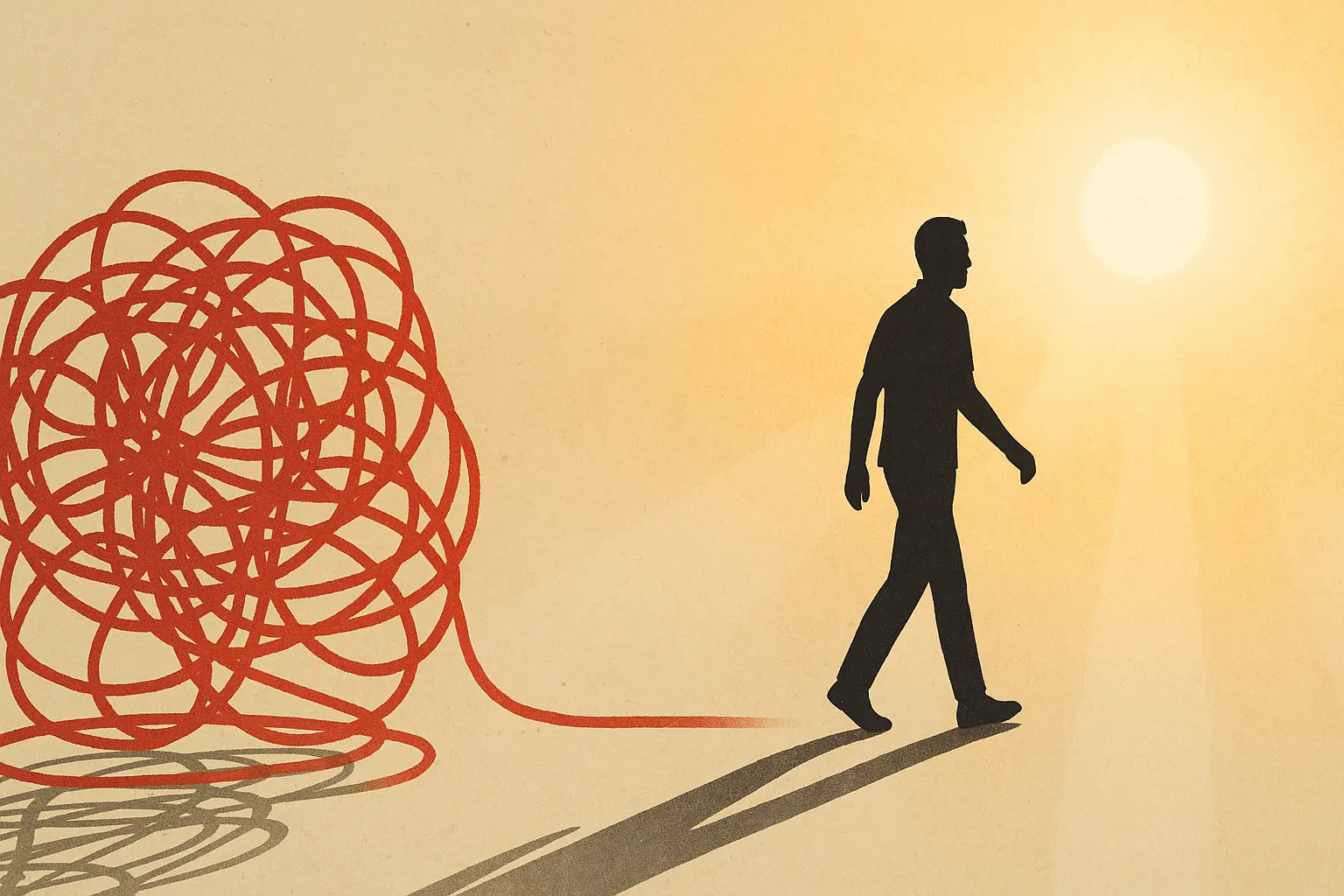
Healing from trauma bonding is not just about ending pain; it is about relearning what healthy love feels like.
With time, therapy, and compassion, you can begin to experience relationships that feel calm, mutual, and emotionally safe. In a secure bond, love does not demand you shrink; it helps you grow.
When you are ready, the therapists at WPA Counseling can guide you through that transition.
Our Online Therapy for Trauma Recovery services offer a confidential space to rebuild trust in yourself and others no matter where you are in Pennsylvania.