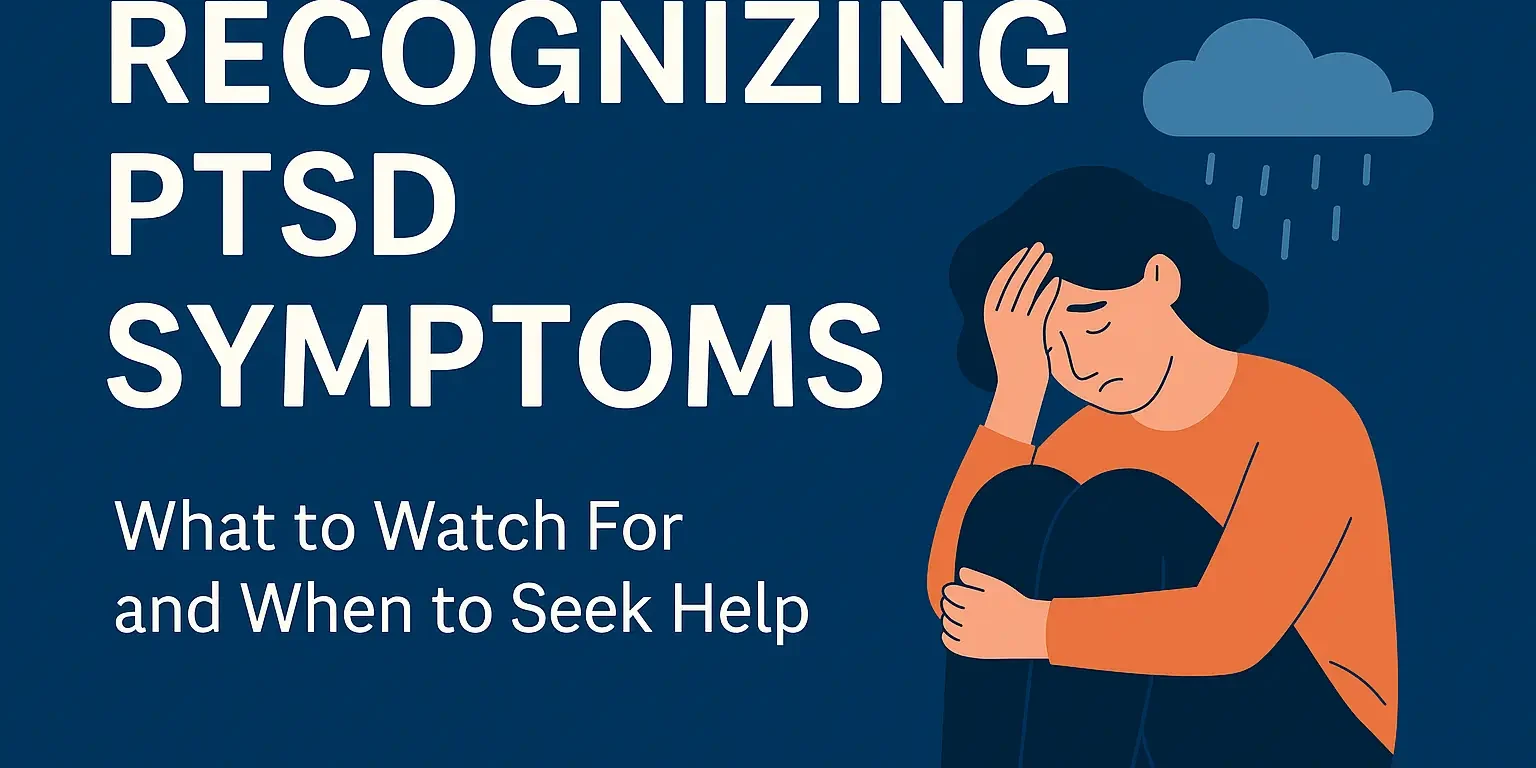
If you have been feeling disconnected, overwhelmed, or haunted by memories you can’t seem to shake, you’re not alone. Post-Traumatic Stress Disorder (PTSD) affects many people; not just veterans or survivors of extreme violence, but anyone who has experienced trauma that disrupted their sense of safety or control.
Whether your trauma was recent or buried in the past, recognizing the signs of PTSD is the first step toward reclaiming your life. This guide will help you understand what you’re feeling and offer a compassionate path forward.
It’s important to remember: healing is possible, no matter how long ago the trauma occurred. Many people find hope and recovery even years after their traumatic experience. For some, the journey begins with “watchful waiting”, noticing how symptoms change over time, while others may be ready to explore proven therapeutic options.
Effective treatments for PTSD include psychological therapies such as Cognitive Behavioral Therapy (CBT) and Eye Movement Desensitization and Reprocessing (EMDR), both of which have helped countless individuals regain a sense of safety and control. Whether you seek support individually or as part of a group, it’s never too late to reach out for help and begin your own path to healing.
What Is PTSD?
PTSD is a mental health condition triggered by a traumatic event. While many people recover from trauma over time, others experience symptoms that persist long after the initial danger has passed.
When Do PTSD Symptoms Begin?
It’s natural to feel shaken after a traumatic experience, and for many people, those reactions fade within a few weeks. But for some, the effects linger or even emerge much later. PTSD or Complex PTSD (C-PTSD) may be present if symptoms persist for more than a month and begin to interfere with your daily life.
Interestingly, symptoms do not always surface right away. In fact, for about 1 in 6 people, signs of PTSD might not appear until months or even years after the event. This delay can be confusing and sometimes frustrating, but it’s more common than you might think. These symptoms can interfere with your daily life, your relationships, and your sense of self.
If you’re unsure how trauma might be affecting you, start by reading Understanding Childhood Trauma: A Guide for Healing and Growth.
Common PTSD Symptoms to Watch For
Intrusive Thoughts and Flashbacks
- Recurring nightmares or distressing memories
- Flashbacks that feel like reliving the trauma
- Physical sensations (e.g., racing heart, sweating) triggered by reminders
These symptoms aren’t just “in your head”; they can show up in your body, too. When you’re emotionally triggered, your body may react as if you’re still in danger, releasing stress hormones like cortisol and adrenaline. This “fight, flight, or freeze” response helps explain why you might feel on high alert, be easily startled, or experience sudden sweats and a pounding heart.
For many people with PTSD, these physical reactions can go beyond anxiety. You might notice headaches, dizziness, chest pain, stomach aches, or even changes in your skin or hair. Some people find their skin scars or bruises more easily, experience digestive troubles, or get cold hands and feet during stressful moments. These physical symptoms are your body’s way of trying to cope with ongoing stress, even when you know, logically, that you’re safe.
Recognizing both the mental and physical ways trauma shows up can be an important step toward healing.
Why Do PTSD and C-PTSD Cause Physical Symptoms?
It may come as a surprise, but trauma doesn’t just live in your mind, it leaves a lasting imprint on your body as well. When you’re exposed to a threatening or overwhelming event, your body flips into “survival mode”, flooding your system with stress hormones like cortisol and adrenaline. This chemical cascade is designed to help you react quickly (think: fight, flight, or freeze).
For people with PTSD or complex PTSD, though, this emergency response can get stuck in overdrive. Even after the original threat has passed, your body may keep acting like danger is lurking around the corner. That means you might experience:
- Headaches or migraines
- Dizziness and lightheadedness
- Chest tightness or heart palpitations
- Stomach aches, nausea, or digestive troubles
- Tense muscles or unexplained aches
Long-term stress hormone imbalances can even show up in unexpected ways, like changes in your skin, hair loss, or feeling cold in your hands and feet. These physical effects are just as real as the emotional ones, and they’re all part of your body’s way of responding to unresolved trauma.
🔹 Avoidance Behavior
-
Steering clear of people, places, or topics that remind you of the trauma
-
Withdrawing from conversations or relationships
-
Numbing emotions or distracting yourself to avoid discomfort
🔹 Hyperarousal and Anxiety
-
Feeling constantly on edge or easily startled
-
Trouble falling or staying asleep
-
Sudden anger or irritability
-
Difficulty concentrating
🔹 Emotional Numbness and Detachment
-
Feeling disconnected from others or from your own emotions
-
Hopelessness or low self-worth
-
Losing interest in things you used to enjoy
Explore our guide on The 3 Powerful Stages of Trauma Recovery to understand how healing unfolds over time.
How Is C-PTSD Different from PTSD?
While Complex PTSD (C-PTSD) shares many core symptoms with PTSD, it also brings additional challenges that dig deeper into a person’s emotional and relational world. Alongside flashbacks and anxiety, you may notice:
- Problems with emotional regulation: Frequent mood swings, intense emotions, or feeling “stuck” in sadness, anger, or shame.
- A damaged sense of self-worth: Persistent feelings of worthlessness, overwhelming guilt, or deep-seated shame that lingers.
- Difficulties in relationships: Trouble trusting others, feeling distant or disconnected from people, or ongoing struggles to maintain healthy relationships.
If these signs sound familiar, you’re not alone, and most importantly, these patterns are not your fault. They are common ways the mind and body respond to layered or long-term trauma.
What Psychological Therapies Are Commonly Used to Treat PTSD?
The good news is that PTSD can be treated, whether your trauma happened recently or years ago. You haven’t missed your chance to feel better. For many people, recovery begins with connecting to the right kind of support, especially trauma-focused therapy.
Some of the most effective therapies for PTSD include:
-
Cognitive Behavioral Therapy (CBT): This evidence-based approach helps you understand and change unhelpful thought patterns that keep you stuck in anxiety and fear. CBT often includes gradual, gentle exposure to memories or reminders of the trauma in a safe therapeutic setting, helping you regain a sense of control.
-
Eye Movement Desensitization and Reprocessing (EMDR): This therapy uses guided eye movements or other forms of bilateral stimulation to help your brain process traumatic memories. EMDR can reduce the intensity of painful memories and make them feel less overwhelming.
-
Trauma-Informed Counseling: Many therapists take a trauma-informed approach, blending elements of talk therapy, mindfulness, and coping skills tailored to your unique experiences.
For some, group therapy or support groups can also provide understanding and connection with others who “get it.”
Remember, there’s no single right way to heal from PTSD. What matters most is finding a therapy and a therapist with whom you feel safe and supported. Our team can help you explore your options and take the next step whenever you’re ready.
Do I Need PTSD Therapy?
If these symptoms are interfering with your life or lasting longer than a few weeks, PTSD therapy can help. You don’t need to face this alone. We offer:
Even if you’re not sure what type of counseling is best, talking to a trauma-informed therapist can help you feel safe, supported, and seen.
Healing Starts With Recognition
Recognizing PTSD symptoms isn’t the end; it’s the beginning of your healing journey. You’re not broken. You’re not alone. And you don’t have to stay stuck.
If you’re ready to take that next step, consider reaching out. We’re here to walk with you, whether in person or through online counseling anywhere in Pennsylvania.
You deserve to feel safe again.