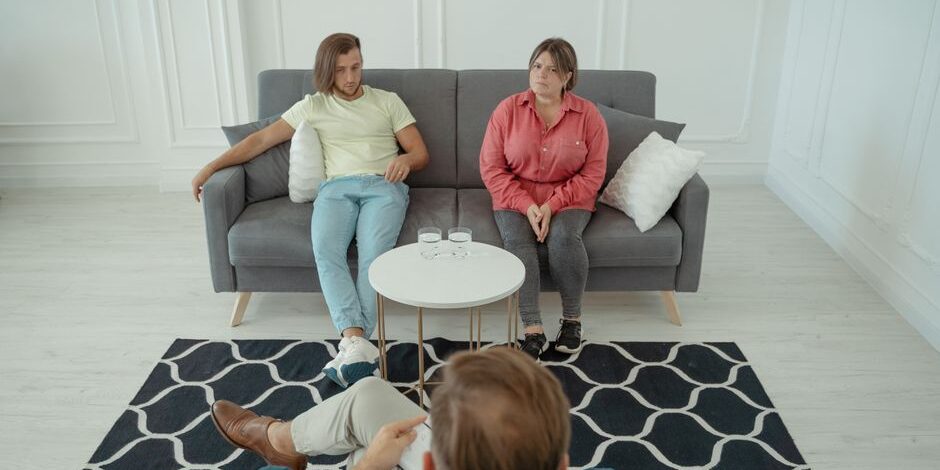
When Your Relationship Needs More Than Time to Heal
Finding a trusted Pennsylvania marriage counselor can feel overwhelming — especially when your relationship is already under strain. Here is a quick overview of what to know before you start:
Quick answers for couples seeking help in Pennsylvania:
- What it is: Marriage counseling is short-term, structured therapy focused on improving communication, resolving conflict, and rebuilding trust between partners.
- Who provides it: Licensed therapists in PA hold credentials such as LMFT (Licensed Marriage and Family Therapist) or LPC (Licensed Professional Counselor).
- How long it takes: Most couples see meaningful progress in 4–12 sessions, with many interventions lasting under six months.
- Does it work? Research shows roughly 70% of couples who engage in counseling see positive results.
- Options available: Both in-person and secure telehealth sessions are widely available across Pennsylvania.
- One partner hesitant? Individual therapy can still provide meaningful support and direction.
Relationships are hard. Life gets busy, communication breaks down, and emotional distance can quietly grow between two people who genuinely love each other. Sometimes a single painful event — an affair, a major loss, a financial crisis — cracks the foundation. Other times, it is a slow drift that is harder to name but just as damaging.
Whatever brought you here, know this: reaching out is not a sign that your relationship is failing. It is a sign you care enough to fight for it.
At WPA Counseling, we work with couples across Western Pennsylvania and statewide via telehealth to help partners reconnect, rebuild trust, and move toward something healthier — together.

Understanding Marriage Counseling vs. Couples Therapy
While people often use the terms interchangeably, there are distinct differences between marriage counseling and couples therapy. Understanding these differences can help you and your partner choose the right path for your relationship.
Historically, marriage counseling is designed as a short-term, solution-focused intervention. It typically targets a specific, immediate crisis or transition—such as preparing for a wedding, navigating a career change, or resolving disagreements over parenting styles. It is practical, direct, and structured to help you find immediate relief and resolution.
In contrast, couples therapy is often a longer-term process. It dives deeper into the past, analyzing how your individual histories, childhood attachments, and family dynamics shape how you interact today. It focuses on the underlying patterns of emotional disconnection, helping you unpack why you fall into the same circular arguments over and over.
No matter where your relationship currently stands, we offer comprehensive relationship counseling tailored to meet your unique needs.
| Feature | Marriage Counseling | Couples Therapy |
|---|---|---|
| Primary Focus | Specific, current issues and immediate conflict resolution | Deep-seated emotional patterns and historical dynamics |
| Typical Duration | Short-term (often 4 to 8 sessions) | Longer-term (12 weeks or more) |
| Approach | Practical, action-oriented, and solution-focused | Exploratory, attachment-based, and systemic |
| Goal | Restoring functional communication and solving a crisis | Transforming the overall emotional bond and healing old wounds |
How a Pennsylvania Marriage Counselor Helps You Heal
When communication breaks down, it can feel like you and your partner are speaking two completely different languages. A Pennsylvania marriage counselor serves as an objective, compassionate guide to help translate those unspoken needs.
Instead of acting as a judge who decides who is “right” or “wrong,” a skilled therapist helps you step out of the blame cycle. We create a safe, neutral space where both partners feel heard, validated, and respected.
In therapy, you will learn to identify the root causes of your friction rather than simply reacting to the surface-level symptoms. Whether you are dealing with constant bickering, emotional distance, or the aftermath of a major betrayal, counseling provides the tools to rebuild emotional safety.
By learning to communicate constructively, you can move away from damaging behaviors and start working as a team again. For a deeper look at how to stop destructive communication patterns, read our guide on how to stop throwing plates and start talking.
Evidence-Based Techniques Used by a Pennsylvania Marriage Counselor
To help couples achieve lasting change, licensed therapists use proven, research-backed methodologies. Some of the most effective approaches include:
- The Gottman Method: Grounded in over 40 years of research, this approach helps couples identify negative conflict patterns—often referred to as the “Four Horsemen”—and replace them with healthy communication habits. You can learn more about identifying these destructive behaviors in our article on The Four Horsemen in a Marriage.
- Emotionally Focused Therapy (EFT): EFT is widely considered the gold standard for couples therapy, boasting a 70% to 75% success rate in clinical trials. It focuses on addressing the root emotional disconnection and rebuilding secure attachment bonds between partners.
- Attachment Theory: This framework helps you understand how your early childhood relationships affect your adult romantic connections, explaining why one partner might withdraw while the other pursues during a conflict.
- Trauma-Informed Care: Relational struggles are often magnified by individual, unresolved trauma. A trauma-informed therapist ensures that personal histories are treated with sensitivity, preventing couples from accidentally triggering one another’s deep-seated emotional wounds.
What to Expect: Duration, Outcomes, and Partner Reluctance
One of the most common questions couples ask is: How long is this going to take?
Because every relationship is unique, there is no single answer. However, marriage counseling is generally structured as a short-term intervention, often lasting between four and eight sessions. If your relationship requires deeper, attachment-focused couples therapy, you can expect the process to last 12 weeks or longer.
Statistically, the outlook is highly encouraging. Approximately 70% of couples who receive professional counseling report positive results and improved relationship satisfaction.
But what happens if one partner is completely unwilling to attend?
This is a common hurdle. It is natural to feel discouraged if your spouse resists the idea of therapy, but you do not have to wait for them to take the first step. You can still attend counseling individually. Individual therapy can help you clarify your own boundaries, learn healthier ways to respond to relationship stress, and break your side of the negative cycle. Often, when one partner begins to change their behavior, it naturally shifts the dynamics of the entire relationship.
If you are wondering if therapy can still save your relationship, explore our insights on Is It Too Late to Fix My Marriage?. Additionally, if anger has become a constant presence in your home, our resource on The Couples Guide to Navigating Anger Management and Marriage Therapy offers practical guidance for de-escalating conflict.
Navigating Licensing, Insurance, and Telehealth in PA
When searching for a Pennsylvania marriage counselor, verifying their professional credentials is vital. In Pennsylvania, the State Board of Social Workers, Marriage and Family Therapists and Professional Counselors regulates the industry to protect the public from unqualified practice.
Look for professionals who hold the following active licenses:
- LMFT (Licensed Marriage and Family Therapist): Specially trained in systemic therapy, focusing on how individuals behave within couples and family units.
- LPC (Licensed Professional Counselor): Trained in broad clinical mental health counseling, often with specialized certifications in couples therapy.
- LCSW (Licensed Clinical Social Worker): Clinical social workers who frequently specialize in family dynamics and relational therapy.
In-Person vs. Telehealth Couples Counseling
Today, couples have more flexibility than ever before. You can choose between traditional in-person sessions and secure telehealth options.
- In-Person Counseling: Meeting face-to-face in a neutral, professional environment can make it easier to focus, step away from daily distractions, and pick up on subtle non-verbal cues.
- Telehealth Counseling: Online therapy is highly convenient, especially for busy partners or parents juggling childcare. Research shows that virtual couples therapy is just as effective as in-person sessions. It also allows partners in different locations—such as traveling professionals—to join the same secure video call.
When it comes to paying for therapy, insurance coverage can vary. While some health insurance plans cover couples therapy if it is deemed medically necessary to treat a diagnosed mental health condition (such as anxiety or depression stemming from relational distress), many couples choose the self-pay route. Self-pay ensures complete privacy, as therapists are not required to submit a clinical diagnosis to your insurance provider. Many practices also offer out-of-network benefits, providing you with documentation to submit to your insurance company for potential reimbursement.
To separate fact from fiction regarding therapy in the Keystone State, read our guide on Marriage Counseling Myths in Pennsylvania.
Choosing the Right Pennsylvania Marriage Counselor for Your Needs
Finding a therapist who is a good fit for both you and your partner is essential for a successful outcome. When searching for a provider, keep these steps in mind:
- Check their specialties: Ensure the therapist has specific training in evidence-based couples methods like Gottman or EFT, rather than just individual therapy.
- Schedule a consultation: Many therapists offer a brief, free phone consultation to see if your personalities align.
- Ensure neutrality: A good couples counselor will never take sides or make one partner feel like the “bad guy.”
If you are located in the greater Pittsburgh area, you can explore couples counseling in Pittsburgh to find a local specialist who understands the unique community and lifestyle of Western Pennsylvania.
Our Clinical Approach to Relationship Healing
At WPA Counseling, we believe that your relationship deserves more than just temporary band-aids. We are a compassionate group practice of licensed professional counselors based in Western Pennsylvania, with convenient physical offices in Irwin/North Huntingdon and Penn Hills, as well as secure telehealth services available statewide. For years, WPA Counseling has served as a trusted mental health resource in Western Pennsylvania. Our practice history is built on a foundation of clinical excellence, with our licensed therapists bringing decades of collective experience in marriage and family systems. Having helped hundreds of local couples rebuild their bonds, we understand the unique stressors facing families in our region.
We utilize evidence-based methods—including Cognitive Behavioral Therapy (CBT), Dialectical Behavior Therapy (DBT), attachment-based therapy, and trauma-informed care—to help couples heal. In addressing trauma, we focus strictly on counseling-based strategies, helping partners understand how past wounds impact their current communication and emotional safety.
Our work is guided by our signature Counseling Blueprint, a structured, four-stage healing journey designed to take your relationship from surviving to thriving:
- Take Off the Mask: We focus on building genuine rapport and trust. We create a safe, non-judgmental space where you and your partner can drop your defenses and show up authentically.
- Heal the Wounds: We explore the emotional and relational hurts that have built up over time, addressing the root causes of your pain rather than just the surface-level symptoms.
- Remove the Toxins: We help you identify and eliminate unhelpful beliefs, lingering lies, and destructive communication habits (like stonewalling or defensiveness) that poison your connection.
- Replace with Truth: We work together to install empowering, accurate, and healthy perspectives about yourself, your partner, and your shared future, giving you the practical tools to maintain a strong bond.
If you are ready to begin this transformative journey, you can easily schedule a session for Marriage Couples Counseling with one of our licensed Pennsylvania therapists.
Frequently Asked Questions About Relationship Therapy
How long does marriage counseling typically last in Pennsylvania?
Marriage counseling is generally a short-term, goal-oriented process. Most couples see significant progress within 4 to 12 weekly sessions. For broader family therapy interventions, the process typically wraps up in less than six months, depending on the complexity of the family dynamics.
Does insurance cover couples therapy sessions?
Coverage varies widely by provider and plan. Some insurance plans cover couples therapy if one partner has a diagnosed mental health condition (such as major depression or generalized anxiety) and relational therapy is part of their treatment plan. WPA Counseling can help you navigate your out-of-network benefits, and we also offer straightforward self-pay options.
Can we attend counseling if we are not married?
Absolutely. Relationship counseling is not exclusive to married couples. We work with couples at all stages of commitment—whether you are dating, cohabiting, engaged, or navigating a complex transition.
Rebuilding Your Connection Step by Step
No matter how distant or fractured your relationship feels right now, change is possible. It takes courage to admit that you need help, but taking that first step can completely transform the future of your partnership.
At WPA Counseling, we make the process of finding the right therapist simple and stress-free. Through our thoughtful matching process, we will connect you with a licensed Pennsylvania counselor who aligns with your specific needs, goals, and personality.
Whether you prefer face-to-face sessions at our Irwin/North Huntingdon or Penn Hills offices, or the convenience of secure telehealth from anywhere in Pennsylvania, we are here to support you.
Ready to take the first step toward a healthier, happier relationship?
- Schedule a session for Marriage Couples Counseling today to begin your healing journey.
- If you live in the local area, you can also explore couples counseling in Pittsburgh to learn more about our local team and services.
This article was researched with AI and heavily edited by Stephen Luther for accuracy and relevance.
Stephen Luther is the Executive Director and Founder of WPA Counseling. He holds a Master’s degree in Education from the University of Georgia and a Master’s degree in Marriage and Family Therapy from Duquesne University. He is a licensed professional counselor in Pennsylvania (LPC).
Since 1997, Steve has been helping children, adolescents, adults, couples, and families overcome emotional and relational challenges. He specializes in working with hurting families, including those with foster, adopted, or traumatized children. Steve uses Attachment-Based Therapy, client-centered therapy, and Therapeutic Parent Coaching to support healing and relationship restoration.
This guide is for educational and spiritual encouragement and is not a substitute for personalized professional counseling. If you are in crisis, please reach out for immediate help.
Finding the Right Marriage Counseling in Pittsburgh Without the Drama