
Why Does Your Heart Still Ache After the Divorce Papers Are Signed?
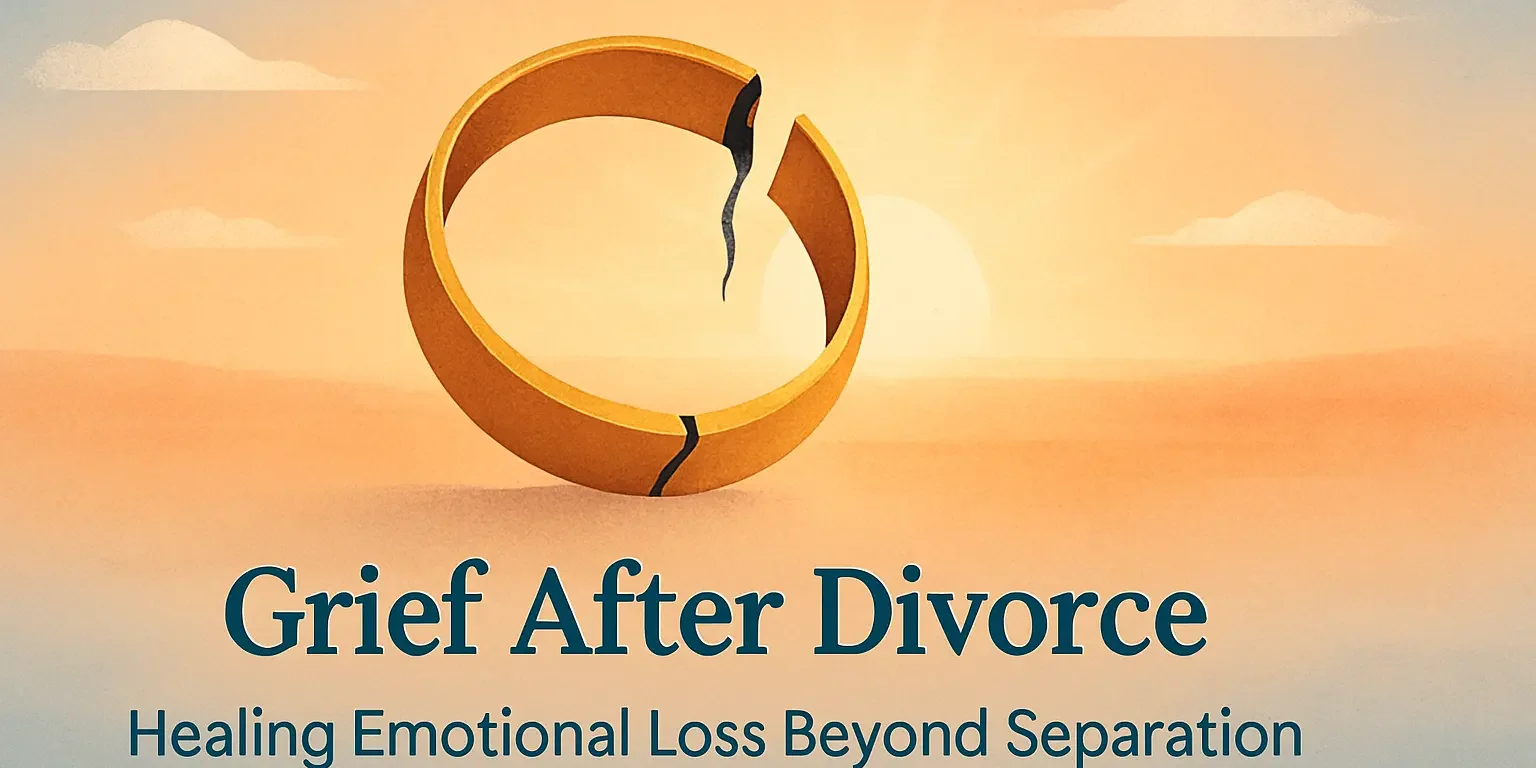
Divorce ends a marriage, but it does not end the bond overnight. Many people experience a powerful wave of grief after divorce, not just over a partner but over the life you imagined, daily routines, shared traditions, and parts of your identity. Because society often treats divorce as a “fresh start”, this grief is frequently disenfranchised (minimized or overlooked), which can deepen loneliness and delay healing.
If you are feeling sadness, anger, anxiety, confusion or even relief and guilt at the same time, you are not broken. You are grieving a real loss, and there is a path forward.
Why Does Grief After Divorce Feel So Different From Other Kinds of Loss?
-
It is multilayered. You are mourning a relationship and the future you planned, financial security, family roles, and social identity.
-
Feelings can clash. Relief can sit beside sorrow; hope can arrive while anger lingers. Emotions ebb and flow rather than follow neat stages.
-
Validation is scarce. When loved ones say “you’re better off”, your pain can feel invisible, making it harder to process.
Naming divorce as a legitimate loss is the first step toward healing.
What Are the Most Common Emotional and Physical Reactions After a Divorce?
-
Emotional: sadness, irritability, anger, spikes of anxiety, shame, intrusive memories, rumination, numbness, or a sense of purposelessness.
-
Physical: appetite changes, insomnia or oversleeping, fatigue, tension, headaches, chest tightness, and difficulty concentrating.
-
Relational: pulling away from friends, conflict with an ex, feeling unsure about dating, or tension in co-parenting.

It’s important to recognize that many of these responses are a natural part of the healing process after a breakup. Grief can feel paralyzing at first, but over time, you’ll likely notice the sadness begins to lift, sometimes so gradually you hardly realize it’s happening. Day by day, you may find yourself moving forward, even if it’s just in small ways.
However, if you aren’t noticing any forward momentum, or if these symptoms persist or intensify, you might be experiencing more than typical heartbreak. Complicated grief can develop, prolonged distress that makes daily functioning difficult. If you feel stuck or overwhelmed, seeking timely support can help prevent you from getting trapped in that difficult place.
Private, one-to-one support can make this transition manageable. Many clients begin with individual counseling to steady emotions and rebuild confidence.
How Does Divorce Grief Affect Your Sense of Identity, and Who Are You Now?”
Roles that once anchored you spouse, partner, or part of a unit shift or disappear. Rebuilding identity is part of recovery:
-
Revisit interests that got sidelined.
-
Reconnect with values that matter most (faith, service, creativity, fitness, learning).
-
Try a “role inventory” to map every hat you wear (parent, friend, professional, neighbor) and where to invest energy next.
What Self-Reflective Questions Can Help You Understand Your Role in the Relationship’s Problems?
Recovering from divorce isn’t just about understanding what went wrong; it is also about discovering who you are and how you show up in relationships. Honest self-reflection can offer powerful insights, even if it’s sometimes uncomfortable.
Consider exploring these questions as you process and rebuild:
- In what ways did I contribute to our recurring conflicts or distance?
- Are there patterns from this relationship, such as choosing unavailable partners, avoiding difficult conversations, or over-extending myself, that I have seen before?
- When I’m under stress, how do I typically respond? Were there times I reacted defensively, shut down, or tried too hard to “fix” things?
- Did I genuinely accept my ex, or did I hold onto hopes they’d change in ways I wanted?
- Which emotions were hardest for me to manage in our relationship, and how did I handle (or avoid) them?
- What drew me to my partner in the first place, and what needs or expectations did I bring into our relationship?
These are not questions to ask with a spirit of blame, but rather with curiosity and compassion for yourself. Self-awareness opens the door to healthier choices and more connected relationships in the future.
Reflecting honestly does not erase pain, but it can transform it into wisdom. You’re writing a new chapter with greater clarity about who you want to be.
When grief intersects with family roles, relationship repair may be needed. Many people find it helpful to process emotional wounds and relearn healthy patterns through relationship counseling.
What Important Lessons Can You Learn From a Breakup or Divorce?
Endings crack us open, and while the pain is acute, these transitions offer an unexpected invitation: the chance to learn and grow in ways you might not expect. After the upheaval, reflection isn’t just helpful; it is essential. Consider this a pause, not just in your partnership, but for your whole self.
Exploring the lessons beneath loss can help you:
- Recognize relationship patterns. Ask yourself: What recurring themes showed up in past relationships? Notice what choices, fears, or dynamics kept reappearing.
- Acknowledge your role. It takes courage, but looking honestly at your contributions, good and bad, can transform regret into wisdom.
- Rethink conflict and boundaries. How did you handle disagreements? Did you communicate needs or avoid difficult conversations? Pinpointing this can guide healthier connections moving forward.
- Practice self-compassion. Examining past decisions isn’t about blame. It’s about understanding, so you don’t carry old wounds into new chapters.
- Clarify what matters. Reflect on what you need (and want) in future relationships, trust, respect, humor, shared values, and how you can show up as a partner, friend, or co-parent.
Growth does not erase the pain, but it often brings gratitude for new strength and clarity. In fact, many people emerge from these storms knowing themselves more deeply and feeling more capable, ready to shape a life with intention, whether solo or with new connections.
How Does Divorce Grief Affect Kids, and What Actually Helps Them Cope?
Children adjust best when the emotional climate is stable. Helpful practices include:
-
Low-conflict co-parenting: separate adult issues from parenting interactions.
-
Predictable routines: shared calendars, consistent expectations across homes.
-
Open, age-appropriate communication: reassure kids they’re loved and not responsible.
If tension runs high or communication breaks down, structured support can make a difference. Explore family counseling to strengthen bonds and reduce stress at home.

What Practical Coping Strategies After Divorce Actually Help You Heal?
1) Feel it on purpose. Set aside brief daily “grief windows” (10–20 minutes) to journal, pray/meditate, cry, or talk so pain does not spill into the whole day.
2) Regulate the body. Gentle exercise, regular meals, and consistent sleep times calm a sensitized nervous system.
3) Create separation rituals. Write a letter you never send, box shared mementos, plant a tree, or mark a symbolic “closing” to honor what was and release what hurts.
4) Rebuild your village. Identify 2–3 reliable supports (friend, sibling, mentor). Consider a peer group or therapist to widen the net.
5) Set sturdy boundaries. Limit late-night texting with your ex, pause social media scanning, and define co-parenting channels.
6) Add purpose back in. Micro-goals (one new class, one volunteer shift, one coffee with a friend per week) restore momentum.
When anxiety, panic, or low mood dominate, evidence-based care like CBT/DBT can help you manage thoughts and emotions. Learn more about our approach to depression therapy and anxiety therapy.
How Can You Tell If You’re Beginning to Heal From Divorce Grief?
-
You can talk about the marriage with a steadier voice.
-
Your energy and sleep gradually normalize.
-
You feel curious about the future (new routines, friendships, or dating).
-
You notice more neutral or positive moments in a day that used to feel all heavy.
Healing is not linear; setbacks (holidays, anniversaries, court dates) are normal. What matters is returning to your supports and skills.
What Unhealthy Coping Strategies Should You Watch Out for After Divorce?
It’s completely normal to want a break from the pain, but be mindful of the urge to numb out with alcohol, drugs, or food. While these may offer short-term relief, they often make things harder in the long run. Gently redirect yourself toward healthier ways of coping, leaning on your support network, using grounding techniques, or creating small routines that bring comfort.
What Are the Stages of Divorce Grief?
Many people recognize the classic stages of grief in their divorce, though they rarely arrive in order and often circle back:
- Shock and denial: numbness, disbelief, or acting as though nothing has really changed.
- Anger: at your former spouse, yourself, or the situation, sometimes alongside relief.
- Bargaining: replaying “what if” scenarios or trying to win the marriage back.
- Sadness: the weight of losing shared plans, routines, family identity, and the future you pictured.
- Acceptance and rebuilding: making peace with what happened and starting to shape a life that fits who you are now.
Moving backward, say, feeling angry again after weeks of calm, does not mean you are failing. Anniversaries, court dates, holidays, and handoffs with your children can all reopen old feelings. Healing is less about reaching a final stage and more about the waves becoming smaller and further apart.
How Can I Co-Parent While I’m Still Grieving?
Co-parenting asks you to cooperate with the person connected to your loss, often before you have had time to heal. A few principles help:
- Keep communication brief, businesslike, and focused on the children; written messages or co-parenting apps can lower conflict.
- Process your own grief with friends, a support group, or a counselor rather than with your kids or your former spouse.
- Give children simple, honest explanations, keep routines as steady as possible, and avoid asking them to carry messages or take sides.
- Expect handoffs and milestones to stir feelings, and plan something steadying for yourself afterward.
If anxiety about the future is keeping you up at night, our guide on using CBT for divorce anxiety offers practical tools.
Can Faith Help Me Heal After Divorce?
For many people, divorce raises spiritual questions as well as emotional ones: guilt, a sense of failure, distance from a faith community, or anger at God. Faith can also be a deep source of comfort, meaning, and hope. Counseling can make room for both, helping you work through shame, grieve honestly, and draw on your beliefs in ways that support healing rather than pressure. Learn more about faith and mental health.
As you begin to rebuild, you may also find our guide to adjusting to single life after a breakup helpful.
When Is It Time to Seek Professional Help for Grief After Divorce?
Reach out for counseling if you notice any of the following for more than a few weeks:
-
Persistent despair or hopelessness
-
Escalating anxiety, irritability, or anger
-
Difficulty functioning at work/home or parenting
-
Complicated co-parenting conflict or legal stressors
-
Isolation, substance overuse, or thoughts of self-harm
WPA Counseling offers in-person counseling in Irwin, PA and secure online therapy across Pennsylvania, so you can get consistent support wherever you are. Explore options on our Counseling Services page or connect through Online Counseling.
What Might a Gentle Roadmap Forward After Divorce Grief Look Like?
-
Stabilize: sleep, meals, movement, calming practices.
-
Process: structured time to grieve; therapy for stuck points.
-
Reorient: clarify values, roles, and boundaries.
-
Rebuild: friendships, routines, finances, goals.
-
Renew: try new experiences that reflect who you are becoming.
You do not have to make this climb alone. Our therapists provide a steady, compassionate partnership as you heal, grow, and design a life that fits the real you.
FAQ: Grief After Divorce
How long does divorce grief last?
Intensity often peaks in the first 3–6 months and gradually eases over 12–24 months. There is no deadline; your pace is your pace.
Is it normal to feel relief and sadness?
Yes. Mixed emotions are common and healthy to acknowledge.
What if we do not have children, should it hurt this much?
Absolutely. You are still grieving a major attachment and imagined future.
Can counseling really help?
Clients often report steadier mood, clearer boundaries, improved co-parenting, and renewed hope. Many start with individual counseling and add relationship counseling or family counseling as needed.