

When Worry Won’t Stop: What You Need to Know About Generalized Anxiety Disorder Treatment
Generalized anxiety disorder treatment is something millions of people quietly search for — often after months or years of exhausting, relentless worry that just won’t let up.
Maybe you lie awake running through worst-case scenarios. Maybe your muscles are always tense, your mind always racing, and you can’t remember the last time you felt truly calm. If that sounds familiar, you’re not alone.
Here’s a quick answer to what treatment looks like:
The main generalized anxiety disorder treatment options are:
- Psychotherapy — especially Cognitive Behavioral Therapy (CBT), the most effective and best-studied psychological treatment for GAD
- Medication — SSRIs and SNRIs are first-line options; buspirone and short-term benzodiazepines may also be used
- Combined treatment — research consistently shows that therapy plus medication produces the best outcomes
- Lifestyle changes — regular exercise, improved sleep, stress reduction, and limiting caffeine and alcohol support all other treatments
Most people benefit most from a combination of therapy and medication, though the right approach depends on how much GAD is affecting your daily life.
GAD is one of the most common mental health conditions in adults, yet only 43% of people with it are currently receiving treatment. That gap is significant — because untreated anxiety doesn’t just stay in your head. It can affect your sleep, your relationships, your work, and your physical health over time.
At WPA Counseling, we work with people across Pennsylvania who are tired of feeling trapped in cycles of worry. We believe that with the right support, healing is genuinely possible — not just managing symptoms, but getting to the root of what’s driving the anxiety in the first place.
This guide walks you through everything you need to know: how GAD is diagnosed, which treatments work, what lifestyle changes help, and what to expect when you finally decide to reach out for support.
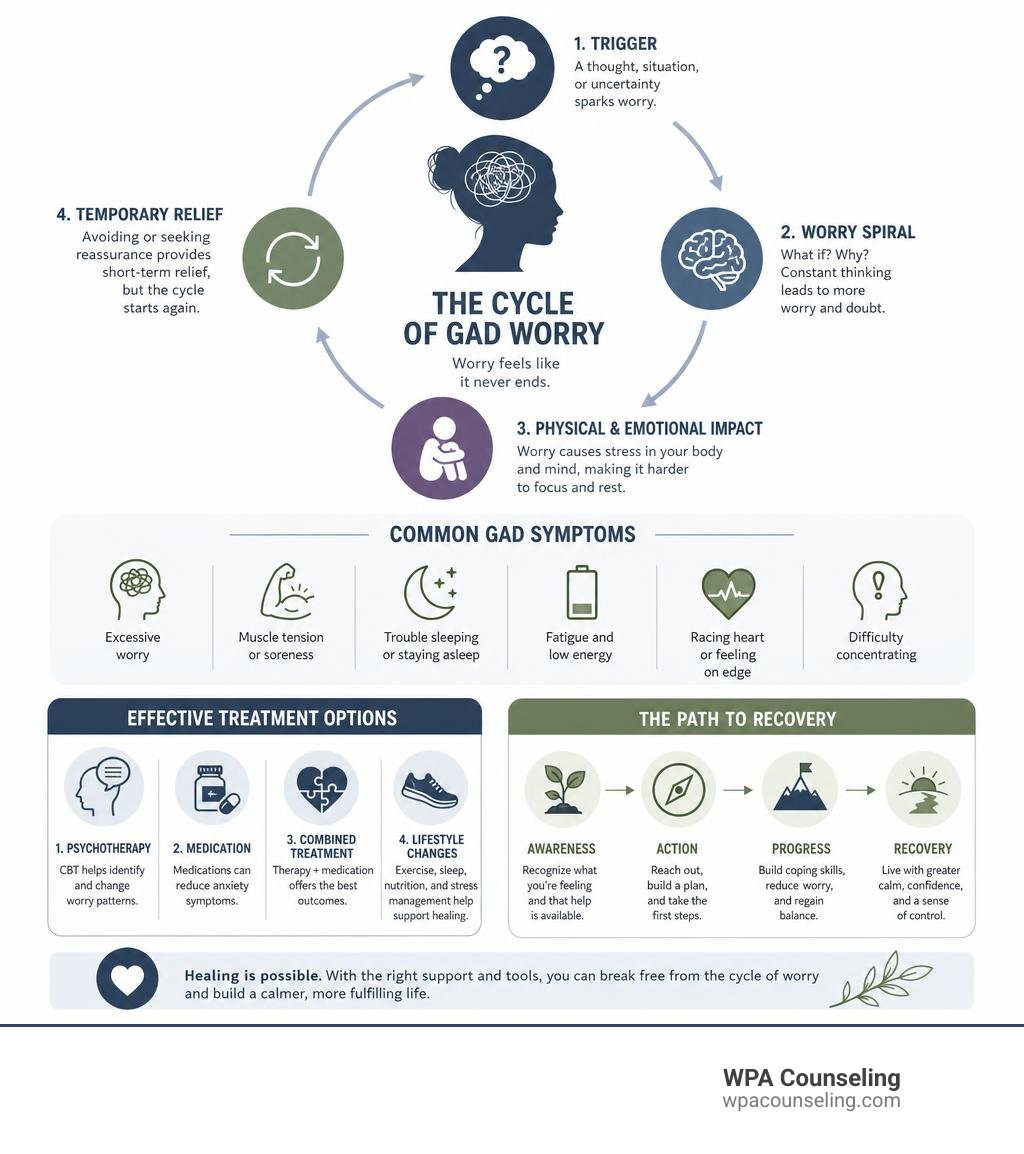
Generalized anxiety disorder treatment terms to learn:
Understanding GAD: Symptoms, Diagnosis, and Impact
To understand why a specific generalized anxiety disorder treatment works, we first have to understand what GAD is—and what it isn’t.
Anxiety itself is a completely normal human emotion. It is our survival-driven “fight, flight, freeze, or fawn” response to a perceived threat. However, when you have Generalized Anxiety Disorder, this alarm system gets stuck in the “on” position. You find yourself worrying about everyday things—finances, family, health, work, or even minor chores—even when there is no immediate reason for concern.
Statistically, GAD is incredibly common. Up to 20% of adults are affected by anxiety disorders each year. In the United States, the lifetime prevalence of GAD is about 8%. Interestingly, GAD is highly prevalent across different life stages, with a median age of onset at 11 years, though the median age when people finally present for clinical treatment is around 30 years.
Furthermore, the prevalence of generalized anxiety disorder is approximately twice as high among women as it is among men. For children and teenagers under 18, the general prevalence of GAD ranges between 5.7% and 12.8%. If you would like to explore how anxiety manifests locally in our state, you can read our detailed guide on Understanding Anxiety Counseling Pennsylvania.
What is GAD and How is it Diagnosed?
Diagnosing GAD is not about taking a quick online quiz. It requires a thoughtful, professional evaluation. Licensed clinical professionals use the diagnostic criteria outlined in the Diagnostic and Statistical Manual of Mental Disorders (DSM-5-TR).
To meet the formal criteria for GAD, an individual must experience:
- Excessive anxiety and worry occurring more days than not for at least 6 months, about a variety of activities or events.
- A clear difficulty in controlling the worry.
- The anxiety and worry must be associated with three or more of the following physical or psychological symptoms (with at least some symptoms present for more days than not over the past 6 months):
- Restlessness or feeling keyed up or on edge.
- Being easily fatigued.
- Difficulty concentrating or mind going blank.
- Irritability.
- Muscle tension (which often causes unexplained physical aches).
- Sleep disturbance (difficulty falling or staying asleep, or restless, unsatisfying sleep).
- The symptoms must cause clinically significant distress or impairment in social, occupational, or other important areas of functioning.
- The disturbance must not be attributable to the physiological effects of a substance (like caffeine or medication) or another medical condition (such as hyperthyroidism).
When you meet with a professional, they will often use standardized screening tools like the GAD-7 questionnaire. This tool helps assess the severity of your anxiety and track your progress over time. A medical provider may also recommend a physical exam, blood tests, or urine screens to rule out physical health problems like thyroid dysfunction, blood glucose abnormalities, or cardiac issues that mimic anxiety symptoms.
It is also worth noting that many people manage to carry out their daily responsibilities at a high level while experiencing intense internal panic. If this sounds like your experience, you may want to read more about High-Functioning Anxiety.
Complications and Comorbidities of Untreated Anxiety
Leaving GAD untreated is not just uncomfortable; it can lead to severe long-term complications. Because GAD constantly floods your body with stress hormones like cortisol and adrenaline, it wears down both your mental and physical health.
Some of the most common complications and comorbidities include:
- Depression: Chronic anxiety is exhausting. Over time, the mental fatigue of constant worrying can trigger clinical depression.
- Insomnia and Sleep Disorders: Chronic muscle tension and a racing mind make quality rest nearly impossible, leading to systemic fatigue.
- Substance Abuse: Many people turn to alcohol, recreational drugs, or prescription misuse to self-medicate their anxiety, which ultimately worsens the underlying disorder.
- Physical Health Issues: Untreated GAD is strongly linked to chronic headaches, irritable bowel syndrome (IBS), chronic muscle pain, and an increased risk of cardiovascular issues.
- Social and Professional Decline: The constant fear of negative outcomes can cause people to turn down promotions, avoid social gatherings, or withdraw from relationships.
Evidence-Based Generalized Anxiety Disorder Treatment Options
The good news is that GAD is highly treatable. Modern clinical research shows that we do not have to live in a state of constant survival mode.

The most effective approach to generalized anxiety disorder treatment is highly personalized. While some people find complete relief through psychotherapy alone, others benefit most from a combination of therapy and medication. According to clinical guidelines, including the Mayo Clinic GAD Diagnosis and Treatment resource, combined treatment often yields the most robust, long-lasting recovery.
To help you visualize your options, here is a comparison table of the primary treatment paths:
| Treatment Type | Primary Focus | Typical Timeline | Key Benefits | Potential Drawbacks |
|---|---|---|---|---|
| Psychotherapy (CBT) | Identifying and restructuring anxious thoughts; behavioral changes | 12 to 20 weeks | Long-term coping skills; no medical side effects; low relapse rates | Requires active mental effort and homework between sessions |
| Pharmacotherapy | Adjusting brain chemistry (serotonin, norepinephrine) | 2 to 6 weeks to start | Rapid symptom reduction; helps quiet a hyperactive nervous system | Potential side effects; risk of relapse if stopped too early |
| Combined Treatment | Addressing both brain chemistry and thought patterns | Varies (often 6+ months) | Highest overall response rates; medication makes therapy easier to apply | Higher initial cost; managing both appointments and prescriptions |
Psychotherapy: The Gold Standard of Generalized Anxiety Disorder Treatment
If we want to address the root cause of chronic worry, psychotherapy is the undisputed gold standard. Among all psychological modalities, Cognitive Behavioral Therapy (CBT) is the most extensively researched and highly effective.
In CBT, we work together to identify the automatic, unhelpful thought patterns that fuel your anxiety. For example, if your mind constantly jumps to the absolute worst-case scenario (a cognitive distortion known as “catastrophizing”), CBT teaches you to pause, evaluate the actual evidence, and restructure that thought into a realistic perspective.
Additionally, behavioral strategies in CBT help you gradually face your fears and reduce “checking” behaviors (such as constantly calling loved ones to make sure they are safe or obsessively checking work emails).
According to a landmark JAMA Psychiatry Meta-Analysis on GAD Psychotherapies, CBT and “third-wave” CBTs (such as Acceptance and Commitment Therapy, or ACT) show moderate-to-high effectiveness in reducing GAD symptoms. Crucially, the meta-analysis highlighted that CBT was the only psychotherapy that consistently maintained its effectiveness at long-term follow-up (3 to 12 months after therapy ended). This is because CBT actually rewires how your brain processes stress, giving you tools you can use for the rest of your life.
If you want to dive deeper into how this process works, take a look at The Complete Guide to Cognitive Behavioral Therapy.
Medication: When to Consider Pharmacological Generalized Anxiety Disorder Treatment
For some individuals, the physical and mental symptoms of anxiety are so overwhelming that they cannot fully engage in therapy. In these cases, medication can act as a stabilizing “wound dressing,” quietening the nervous system so that the real healing work can begin.
The primary pharmacological options for generalized anxiety disorder treatment include:
- Selective Serotonin Reuptake Inhibitors (SSRIs): Medications like escitalopram, paroxetine, and sertraline are considered first-line treatments. They work by increasing the availability of serotonin in the brain.
- Serotonin-Norepinephrine Reuptake Inhibitors (SNRIs): Medications like duloxetine and venlafaxine are also first-line choices that target both serotonin and norepinephrine pathways.
- Buspirone: An anxiety-specific medication that can be taken long-term. It is non-habit-forming but must be taken consistently for several weeks to become effective.
- Benzodiazepines: Medications like alprazolam or diazepam can provide rapid, short-term relief for acute panic. However, because they carry a high risk of physical dependence, tolerance, and withdrawal issues, they are strictly recommended for short-term crisis use only and are avoided in individuals with a history of substance abuse.
It is vital to understand the concept of therapeutic lag. Antidepressants (SSRIs/SNRIs) and buspirone do not work instantly. It typically takes 2 to 6 weeks for these medications to build up in your system and start reducing anxiety.
Additionally, the response rate to first-line medications alone is about 30% to 50%. If you decide to use medication, clinical guidelines recommend continuing the treatment for at least 6 to 12 months after your symptoms improve to prevent a relapse. If you stop taking your medication too early, the relapse rate can be as high as 50%.
Complementary and Alternative Approaches
Many individuals look to alternative therapies to complement their primary treatment plan. While safe lifestyle additions are highly encouraged, it is crucial to look at the scientific evidence before trying herbal remedies.
- Mindfulness and Yoga: These practices are highly effective at lowering stress hormones, calming muscle tension, and keeping your mind anchored in the present moment.
- Massage and Physical Relaxation: While they do not cure GAD, they can significantly reduce physical muscle tension and promote relaxation.
- Herbal Supplements: Some people consider supplements like chamomile or lavender extract. However, you must use extreme caution. Kava and valerian root supplements, though popular for anxiety, carry a documented risk of causing serious liver damage. Always consult with a medical doctor before starting any herbal supplement, as they can interact dangerously with prescription medications.
Holistic and Lifestyle Strategies for Managing Anxiety
While professional counseling and medication provide the structural foundation for recovery, your daily habits play a massive role in how your nervous system reacts to stress.

Making intentional lifestyle adjustments can dramatically lower your baseline anxiety. Here are the most effective strategies you can start implementing today:
- Regular Physical Exercise: Staying physically active most days of the week is one of the most powerful natural anxiety reducers. Exercise burns off excess adrenaline, releases feel-good endorphins, and helps tire your body out for better sleep.
- Prioritize Sleep Hygiene: A sleep-deprived brain is a highly anxious brain. Keep a consistent sleep schedule, limit screen time before bed, and make sure your bedroom is cool, dark, and quiet.
- Adopt a Heart-Healthy Diet: Focus on a balanced diet rich in vegetables, fruits, whole grains, and omega-3 fatty acids (found in fish). Avoiding processed sugars can help prevent the blood sugar spikes and crashes that mimic panic attacks.
- Limit Stimulants: Caffeine and nicotine are stimulants that directly trigger your body’s survival response. Cutting back on coffee, energy drinks, and tobacco can rapidly decrease physical symptoms like heart palpitations and jitteriness.
- Avoid Alcohol and Recreational Drugs: While a glass of wine might seem to soothe your nerves in the short term, alcohol alters your brain chemistry and actually increases “rebound anxiety” as it wears off.
- Somatic Grounding Exercises: When you feel a wave of panic rising, you can use physical grounding techniques to soothe your nervous system. Try deep diaphragmatic breathing, progressive muscle relaxation, or the 5-4-3-2-1 sensory method. For practical, step-by-step instructions, read our guide on how to Stop the Panic with These Somatic Exercises for Anxiety.
What to Expect in Your Evaluation and Healing Journey
Taking the step to seek help can feel intimidating, but knowing what to expect can help ease your mind.
During your initial evaluation, a counselor will sit down with you in a safe, non-judgmental space. They will ask about your current symptoms, how long you’ve been experiencing them, your medical history, and how anxiety is impacting your daily life. They may also ask you to fill out a brief questionnaire like the GAD-7 to establish a baseline.
At WPA Counseling, we do not believe in a one-size-fits-all approach. We guide our clients through our signature Counseling Blueprint, a thoughtful, four-stage healing journey designed to create lasting transformation:
- Take Off the Mask: We focus on building genuine rapport and trust. You don’t have to pretend “everything is fine” here. We create a safe space where you can let your guard down.
- Heal the Wounds: We gently explore the emotional, relational, or situational hurts that may have triggered or worsened your anxiety over time.
- Remove the Toxins: Together, we identify and dismantle the unhelpful beliefs, cognitive distortions, and lingering lies that keep you trapped in a cycle of worry.
- Replace with Truth: We help you install empowering, accurate, and healthy perspectives about yourself, others, and the world, giving you the confidence to move forward.
Professional Anxiety Therapy in Pennsylvania
If you are looking for compassionate, professional generalized anxiety disorder treatment in Pennsylvania, we are here for you. WPA Counseling is a dedicated group practice of licensed professional counselors based in North Huntingdon/Irwin, Pennsylvania, with an additional office in Penn Hills.
With years of clinical experience serving communities across Western Pennsylvania, WPA Counseling has established a trusted local practice history. Founded on the principles of clinical excellence and compassionate care, our practice has helped hundreds of individuals navigate the complexities of generalized anxiety disorder and related conditions. Our licensed therapists bring decades of combined clinical expertise, utilizing evidence-based modalities to deliver personalized care that respects each client’s unique journey.
Our team of experienced therapists specializes in evidence-based methods, including Cognitive Behavioral Therapy (CBT), Dialectical Behavior Therapy (DBT), attachment-based therapy, and trauma-informed care. We focus trauma recovery on counseling-based strategies, helping clients process past experiences in a safe, therapeutic environment. We understand that life is busy, which is why we offer flexible options to fit your lifestyle:
- In-Person Counseling: Conveniently located offices in Western PA (Irwin/North Huntingdon and Penn Hills) serving Pittsburgh and Westmoreland County.
- Secure Telehealth Therapy: High-quality, confidential virtual sessions available to anyone living anywhere in the state of Pennsylvania. To learn more about how virtual sessions work, check out our guide on Online Anxiety Therapy in Pennsylvania.
We pride ourselves on our thoughtful therapist-matching process. We don’t just assign you to the first open slot; we take the time to match you with a licensed counselor who fits your personality, your unique struggles, and your personal goals for healing.
Frequently Asked Questions about GAD Treatment
How long does it take for anxiety treatments to work?
Because of the therapeutic lag, medications like SSRIs, SNRIs, or buspirone usually take 2 to 6 weeks to start showing noticeable anxiety-reducing effects.
Psychotherapy, such as CBT, also takes time because you are learning to change lifetime habits of thinking. Most traditional CBT programs last between 12 to 20 weeks of weekly sessions, though many clients start noticing a shift in their perspective and coping abilities within the first few weeks of building rapport with their therapist.
Can GAD be managed without medication?
Yes, absolutely. For many individuals with mild to moderate GAD, structured psychotherapy (like CBT) combined with dedicated lifestyle changes (such as daily exercise, improved sleep, and limiting caffeine) is highly effective on its own.
The choice to use medication is entirely personal and is typically reserved for cases where anxiety is so severe that it prevents you from functioning or actively participating in therapy.
What is the success rate of combining therapy and medication?
The success rate of combined treatment is significantly higher than using either treatment alone. While first-line medications alone have a response rate of 30% to 50%, studies show that combining pharmacotherapy with CBT dramatically increases these numbers.
For example, clinical research on pediatric anxiety showed that 81% of children who received a combination of sertraline and CBT responded successfully to treatment. For adults, combined treatment is widely recognized as the most effective path for rapid stabilization and long-term relapse prevention.
Conclusion
Living with generalized anxiety disorder can make even the simplest daily tasks feel like an uphill battle. But you do not have to carry the weight of chronic worry all by yourself. Healing is not about finding a magic cure that deletes stress from your life; it is about building the resilience, coping tools, and mental frameworks to navigate life’s challenges with peace and confidence.
Whether you prefer the comfort of in-person sessions at our Western PA offices or the convenience of online therapy from your home anywhere in Pennsylvania, the team at WPA Counseling is ready to walk alongside you.
When you are ready to take off the mask and begin your healing journey, let us help you. Take the first step today by visiting our Anxiety Therapy page to learn more about our services and get matched with a compassionate, licensed counselor who is the perfect fit for you.
This article was researched with AI and heavily edited by Stephen Luther for accuracy and relevance.
Stephen Luther is the Executive Director and Founder of WPA Counseling. He holds a Master’s degree in Education from the University of Georgia and a Master’s degree in Marriage and Family Therapy from Duquesne University. He is a licensed professional counselor in Pennsylvania (LPC).
Since 1997, Steve has been helping children, adolescents, adults, couples, and families overcome emotional and relational challenges. He specializes in working with hurting families, including those with foster, adopted, or traumatized children. Steve uses Attachment-Based Therapy, client-centered therapy, and Therapeutic Parent Coaching to support healing and relationship restoration.
This guide is for educational and spiritual encouragement and is not a substitute for personalized professional counseling. If you are in crisis, please reach out for immediate help.
Everything You Need to Know About Anxiety Therapy