

Find the Right Therapy Provider in Pennsylvania
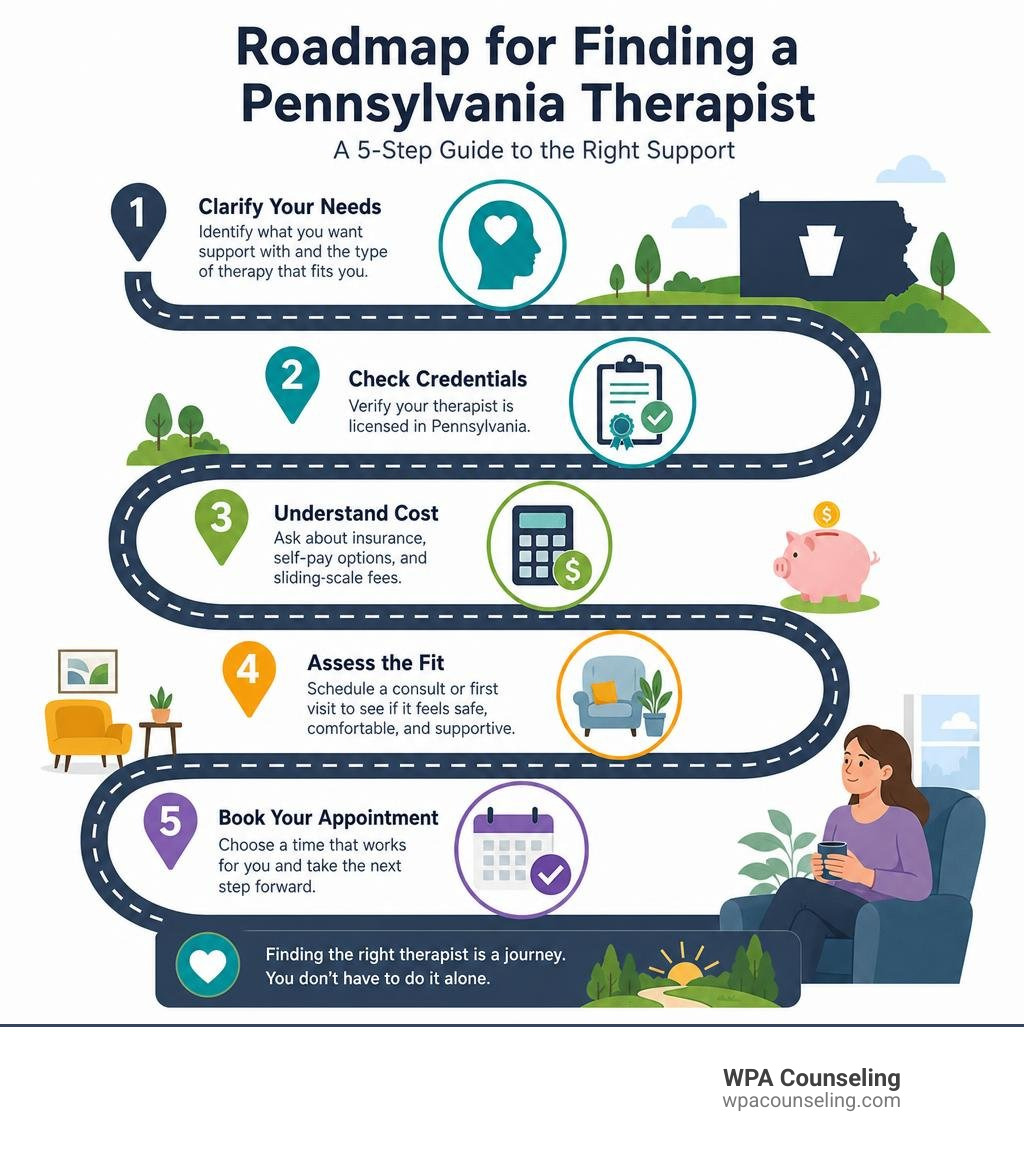
To find therapy in Pennsylvania, start by matching your needs with a licensed counselor’s focus, location, telehealth availability, and insurance options. Ask whether the provider treats concerns such as anxiety, trauma, depression, grief, stress, or relationship conflict, then verify their Pennsylvania license and confirm costs before scheduling.
A good first step is to:
- Identify the support you want, such as individual, couples, family, trauma, or anxiety counseling.
- Check whether in-person or secure online sessions fit your life best.
- Confirm the counselor is licensed in Pennsylvania and ask about insurance, self-pay, or sliding-scale fees.
- Schedule a consultation or first visit to see whether the fit feels safe and productive.
Many Pennsylvanians need support each year, yet treatment can feel hard to access because of cost, provider shortages, distance, or long wait times. You do not have to solve everything alone. At WPA Counseling, we provide in-person counseling in Irwin/North Huntingdon and Penn Hills, plus secure telehealth throughout Pennsylvania. Our licensed professional counselors offer individual counseling, anxiety and depression therapy, trauma therapy, couples and family counseling, grief support, stress management, and faith-sensitive counseling.
This guide explains how to compare therapy options, check credentials, understand coverage, and find care that meets you where you are.
Navigating Therapy Pennsylvania Options and Treatment Types
Finding the right support begins with understanding what kind of counseling best fits your unique life circumstances. Approximately 1 in 5 adults in Pennsylvania experience a mental health condition each year, yet more than half do not receive treatment. Knowing the specific types of care available makes taking that first step far less overwhelming.
Different Modalities of Clinical Counseling
Mental health clinicians use a variety of evidence-based modalities to help you process difficult emotions, shift unhelpful thought patterns, and build lasting resilience. When exploring Different Kinds of Counseling Services and Whom They Benefit, you will encounter several foundational approaches:
- Cognitive Behavioral Therapy (CBT): A structured, goal-oriented approach focusing on how thoughts influence feelings and actions. It helps identify cognitive distortions and replace them with constructive thought patterns.
- Dialectical Behavior Therapy (DBT): Built on CBT principles, DBT focuses on emotional regulation, distress tolerance, mindfulness, and interpersonal effectiveness.
- Attachment-Based Therapy: Explores how early childhood relationships and developmental bonds shape adult behaviors, attachment styles, and relationship patterns.
- Psychodynamic Counseling: Looks at unconscious processes, past experiences, and unresolved emotional conflicts to help you gain deeper self-awareness.
- Acceptance and Commitment Therapy (ACT): Encourages accepting difficult emotions rather than fighting them, while committing to actions aligned with your core personal values.
To learn more about how these modalities are applied in practice, review our guide to Understanding Clinical Mental Health Counseling a Comprehensive Guide.
Specialized Therapy Pennsylvania Approaches for Trauma, Relationships, and Anxiety
Therapy is not one-size-fits-all. Specialized counseling addresses the distinct ways specific life challenges impact your mind and body:
- Trauma-Informed Care: When processing past emotional wounds or painful events, working with a trained clinician is essential. You can discover targeted strategies in A Practical Guide to Effective Trauma Therapy in Pennsylvania.
- Anxiety and Panic Support: With over 1.2 million Pennsylvania adults reporting symptoms of anxiety or depression, focused modalities help soothe an overactive nervous system. Learn about remote options through Online Anxiety Therapy in Pennsylvania.
- Relationship and Marriage Counseling: Strengthening communication and resolving conflict requires dedicated relational guidance. Read The Keystone State Guide to Finding a Pennsylvania Marriage Counselor for insights on working through marital challenges.
- Faith-Sensitive Counseling: For individuals seeking emotional healing that respects and incorporates their spiritual values, faith-sensitive therapy provides a safe, aligned therapeutic space.
Verifying Licensing, Credentials, and Mental Health Parity Laws
Ensuring your therapist holds legitimate, state-approved credentials guarantees you receive ethical, competent care that meets rigorous professional standards.

Understanding PA Therapist Licenses and Verification
In Pennsylvania, professional counselors must meet extensive post-graduate clinical supervision hours, pass national examinations, and fulfill continuing education requirements to maintain active licensure. Key credentials include:
- LPC (Licensed Professional Counselor): Holds a master’s or doctoral degree in counseling and is trained in clinical assessment, psychotherapy, and emotional wellness.
- LCSW (Licensed Clinical Social Worker): Holds a master’s degree in social work with specialized clinical training focusing on mental health, family systems, and community resources.
- LMFT (Licensed Marriage and Family Therapist): Specializes in interpersonal dynamics, couples therapy, and family systems.
You can verify any provider’s license, status, and disciplinary history through the Pennsylvania Department of State’s Pennsylvania Licensing System (PALS) online portal. For more details on state standards, explore our resource on Licensed Mental Health Support in Pennsylvania.
Insurance Coverage, Parity Laws, and Affordable Care Options
Navigating therapy costs can feel complex, but state and federal laws provide meaningful consumer protections. Under the federal Mental Health Parity and Addiction Equity Act and Pennsylvania Act 106, health insurance plans must provide mental health benefits comparable to medical and surgical benefits.
The average out-of-pocket cost for a therapy session in Pennsylvania ranges from $100 to $200. However, many commercial insurance plans cover 60% to 80% of costs when seeing an in-network provider, leaving you responsible only for your standard copay or coinsurance once deductibles are met.
If you are uninsured or navigating financial constraints, several options exist:
- Sliding-Scale Fees: Many private practices and clinics adjust session fees based on household income.
- Community Health Centers: County-level resources offer low-cost, comprehensive mental health support. For Westmoreland County and surrounding regions, you can consult Mental Health & Community Resources for local assistance.
- Employee Assistance Programs (EAPs): Many employers offer free, short-term counseling sessions for employees and immediate family members.
Overcoming Access Barriers: In-Person vs. Virtual Care Across PA
Pennsylvania ranks 25th in the nation for access to mental health care, with an estimated shortage of over 500 mental health professionals needed to meet statewide demand. Choosing the right format—in-person or telehealth—helps overcome these geographic and logistical hurdles.
Telehealth and Online Therapy Pennsylvania Regulations
Telehealth utilization across Pennsylvania increased by over 300% from 2019 to 2022, with approximately 45% of all mental health appointments now conducted virtually. Pennsylvania regulations require therapists providing telehealth to be fully licensed in the Commonwealth of Pennsylvania and to use HIPAA-compliant video platforms to safeguard your confidentiality.
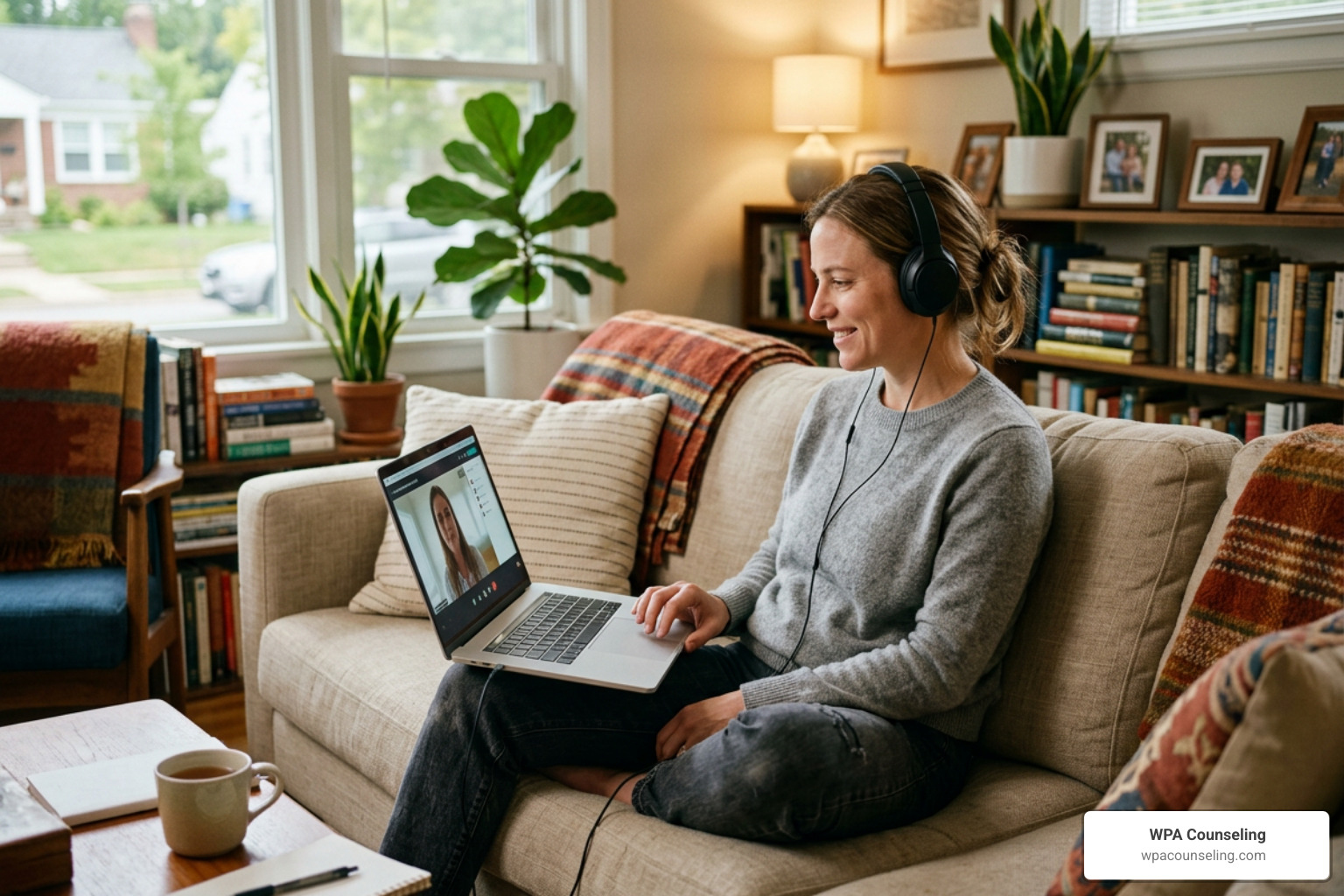
Virtual therapy removes commute times, eliminates parking concerns, and allows individuals across the state to connect with specialized clinicians who might not practice in their immediate neighborhood. To explore how virtual appointments operate, read our Pennsylvania Online Counseling Services a Comprehensive Guide.
Urban vs. Rural Mental Health Access Disparities
Accessing care often looks very different depending on whether you live in an urban center or a rural county:
- Urban and Suburban Areas: In cities like Pittsburgh and surrounding suburbs, provider density is higher, but clients often face long waitlists, traffic congestion, and scheduling conflicts. Resources such as our Pittsburgh Therapy Guide Finding Your Perfect Professional Counselor help residents identify available local clinicians.
- Rural and Outlying Communities: Rural areas frequently experience severe provider shortages, longer driving distances, and limited specialty care. Practical guides like How to Find the Best Mental Health Therapy in Westmoreland County Without Losing Your Mind highlight localized solutions and virtual alternatives.
Professional Clinical Experience and Care at WPA Counseling
With years of dedicated clinical experience serving Western Pennsylvania communities, WPA Counseling was established to provide compassionate, high-quality mental health care to individuals, couples, and families. As a trusted group practice of licensed professional counselors (LPCs) and experienced clinicians, our team brings extensive clinical backgrounds in treating complex emotional, relational, and psychological challenges.
We operate physical offices in Irwin/North Huntingdon and Penn Hills, serving clients across Westmoreland County and Allegheny County, while offering secure, confidential telehealth across all of Pennsylvania.
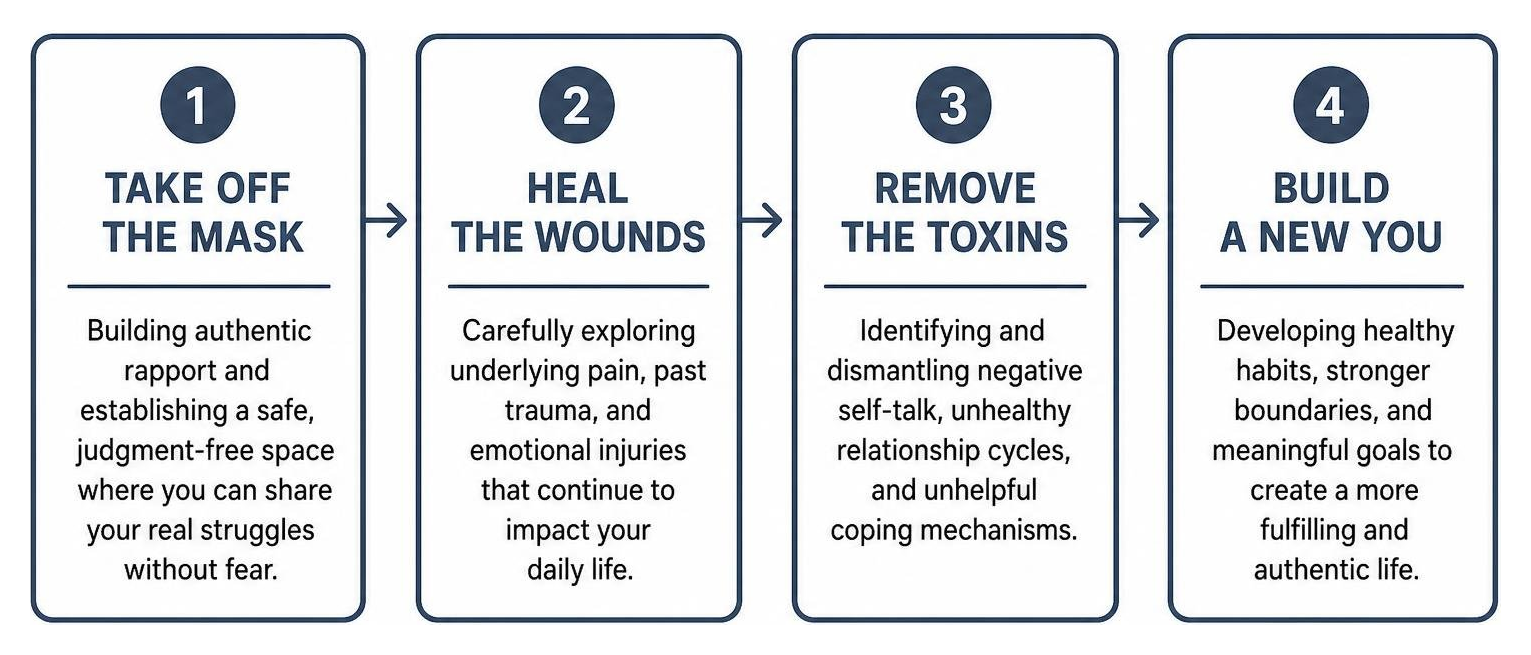
Our clinical team utilizes proven methodologies, including Cognitive Behavioral Therapy (CBT), Dialectical Behavior Therapy (DBT), attachment-based therapy, and trauma-informed care. We guide clients through our four-stage Counseling Blueprint:
- Take Off the Mask: Building authentic rapport and establishing a safe, judgment-free space where you can share your real struggles without fear.
- Heal the Wounds: Carefully exploring underlying pain, past trauma, and emotional injuries that continue to impact your daily life.
- Remove the Toxins: Identifying and dismantling negative self-talk, unhealthy relationship cycles, and unhelpful coping mechanisms.
- Replace with Truth: Establishing healthy boundaries, evidence-based coping skills, and a renewed, hopeful sense of self-worth.
Our key clinical services include:
- Individual counseling for adults and teens
- Anxiety therapy and depression counseling
- Trauma therapy and emotional recovery
- Couples counseling and marriage support
- Family counseling and relational repair
- Grief support and bereavement care
- Stress management and burnout recovery
- Faith-sensitive counseling
To learn more about our approach to lasting emotional health, explore Pennsylvania Emotional Counseling Services to Help You Heal.
Frequently Asked Questions About Finding PA Mental Health Support
How much does outpatient therapy typically cost in Pennsylvania?
Session rates generally range between $100 and $200 for out-of-pocket self-pay. When using in-network health insurance, clients typically pay only their specialist copay (often $20 to $50 per session) or coinsurance after their annual deductible is met.
How do I check if a Pennsylvania therapist is legitimately licensed?
Visit the Pennsylvania Department of State’s PALS verification portal online. Enter the counselor’s full legal name and profession (such as Licensed Professional Counselor) to view their license number, issue date, expiration date, and any disciplinary actions.
What immediate mental health resources are available across the state?
If you or someone you know is facing an acute crisis, immediate, confidential support is available 24/7 across Pennsylvania:
- 988 Suicide & Crisis Lifeline: Call or text 988 to connect with trained crisis specialists.
- PA Support & Referral Helpline: Call 1-855-284-2494 (TTY: 724-631-5600) for free, round-the-clock state assistance.
- Crisis Text Line: Text “PA” to 741741 to chat with a crisis counselor via text.
- County Crisis Teams: Each Pennsylvania county operates a mobile crisis team capable of emergency intervention and assessment.
Conclusion
Taking the first step toward counseling is an act of strength and self-investment. Whether you are navigating chronic anxiety, healing from deep emotional trauma, working through marriage struggles, or seeking life balance, you do not have to carry the burden by yourself.
Connecting with the right therapist can transform your life. We invite you to explore our comprehensive counseling services at WPA Counseling to get matched with a compassionate, licensed Pennsylvania counselor who meets your unique needs—either in-person at our Western PA offices in Irwin/North Huntingdon and Penn Hills, or through secure telehealth anywhere across the Commonwealth.
This article was researched with AI and heavily edited by Stephen Luther for accuracy and relevance.
Stephen Luther is the Executive Director and Founder of WPA Counseling. He holds a Master’s degree in Education from the University of Georgia and a Master’s degree in Marriage and Family Therapy from Duquesne University. He is a licensed professional counselor in Pennsylvania (LPC).
Since 1997, Steve has been helping children, adolescents, adults, couples, and families overcome emotional and relational challenges. He specializes in working with hurting families, including those with foster, adopted, or traumatized children. Steve uses Attachment-Based Therapy, client-centered therapy, and Therapeutic Parent Coaching to support healing and relationship restoration.
This guide is for educational and spiritual encouragement and is not a substitute for personalized professional counseling. If you are in crisis, please reach out for immediate help.